

Dann ist der Studiengang Maschinenbau und Design - Konstruktion, genau das Richtige für Dich.
Du möchtest effektiv an der Entwicklung neuer Produkte mitarbeiten und Einfluss auf die Ausführung von Produkten nehmen? Du möchtest deine Ideen einfließen lassen und unter Verwendung neuester Werkstoffe und innovativer Maschinenelemente Baugruppen auslegen? Und außerdem hast du Spaß daran, mit anderen Disziplinen im Austausch zu sein und so Kundenanforderungen, Qualitätsanforderungen, Normen und Richtlinien in deine Entwürfe mit einfließen zu lassen? Dann lernst du in der Vertiefungsrichtung Konstruktion kennen, wie innovative Produkte entwickelt und berechnet werden, wie hierbei Kreativmethoden angewandt werden und wie neueste Technologien, wie z.B. die Lasermaterialbearbeitung oder die additive Fertigung, zur Herstellung dieser Produkte zum Einsatz kommen. Wenn du den Studiengang mit der Vertiefungsrichtung Konstruktion abgeschlossen hast, kannst du in der Industrie beispielsweise in der Produktentwicklung, aber auch im Versuch oder in der Berechnung arbeiten. Du nimmst in all diesen Bereichen direkt Einfluss auf das Endprodukt.

Jennifer F., Bachelor-Studentin, Konstruktion
"Durch meine Ausbildung zur technischen Produktdesignerin konnte ich mir ein sehr gutes Bild über die Konstruktion im Maschinenbau machen. Dies hat mir meine Entscheidung, in welche Fachrichtung ich gehe,..."[weiter lesen]
Birgit S., Bachelor-Absolventin, Master-Studentin, Konstruktion
"Die Möglichkeit, weitere umfangreiche Projekte, gezielt im Bereich Konstruktion und generative Fertigungsverfahren zu bearbeiten, sowie das Angebot vertiefender Lehrveranstaltungen im Bereich Konstruktion,..."[weiter lesen]
Design von Maschinenelementen

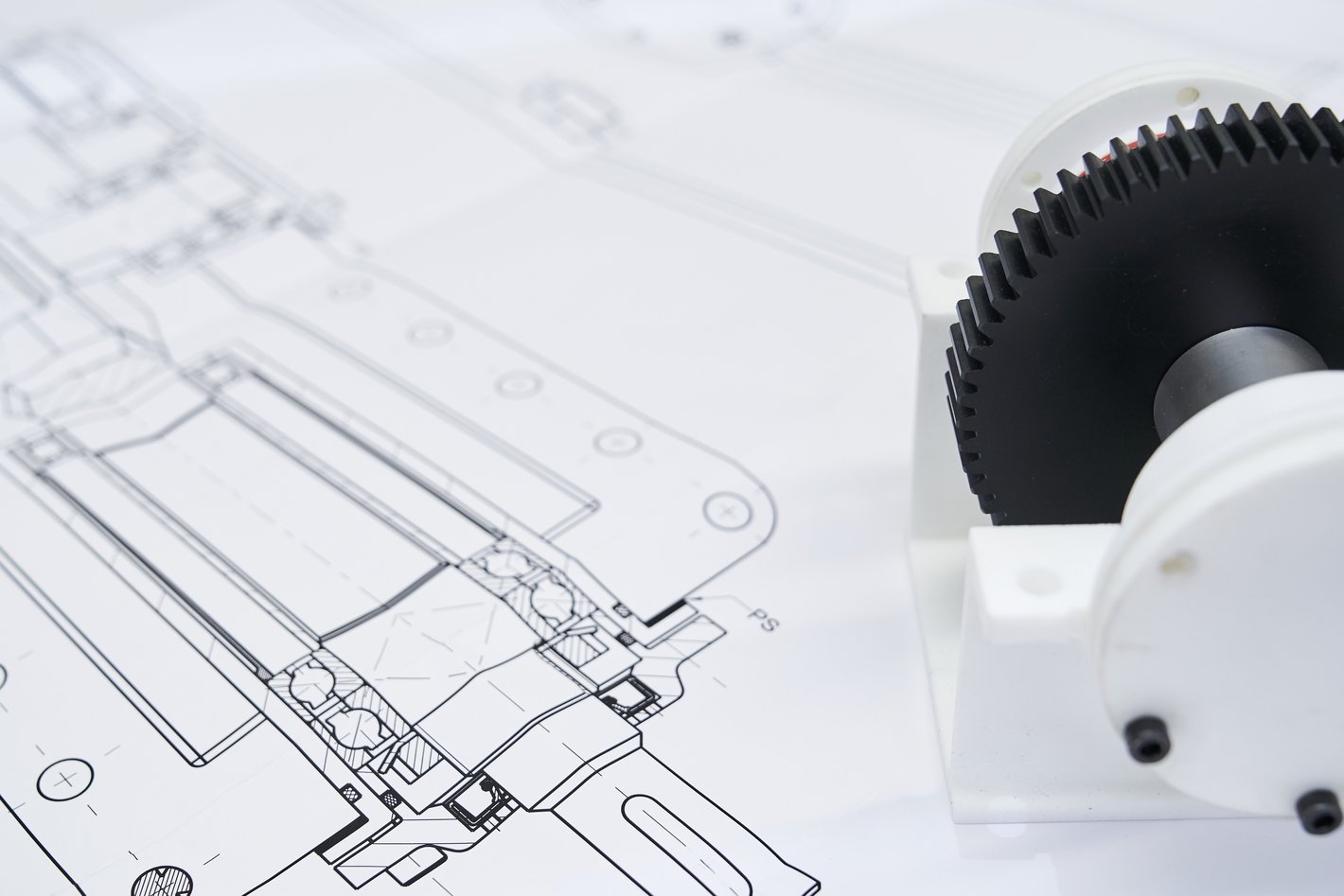
Maschinenelemente wie Schrauben, Zahnräder, Wälzlager und Dichtungen werden nahezu in jedem technischen Produkt eingesetzt. Um das richtige Element für den jeweiligen Anwendungszweck auszuwählen und optimal auf die Einsatzbedingungen abzustimmen, ist eine detaillierte Berechnung notwendig. Außerdem kann es bei speziellen Anwendungen nötig sein, dass die Maschinenelemente vor dem Einsatz ganz gezielt unter Einsatzbedingungen getestet werden müssen. Theoretische und praktische Grundlagen werden in der Fachrichtung Konstruktion vermittelt.
Systematische Produktentwicklung
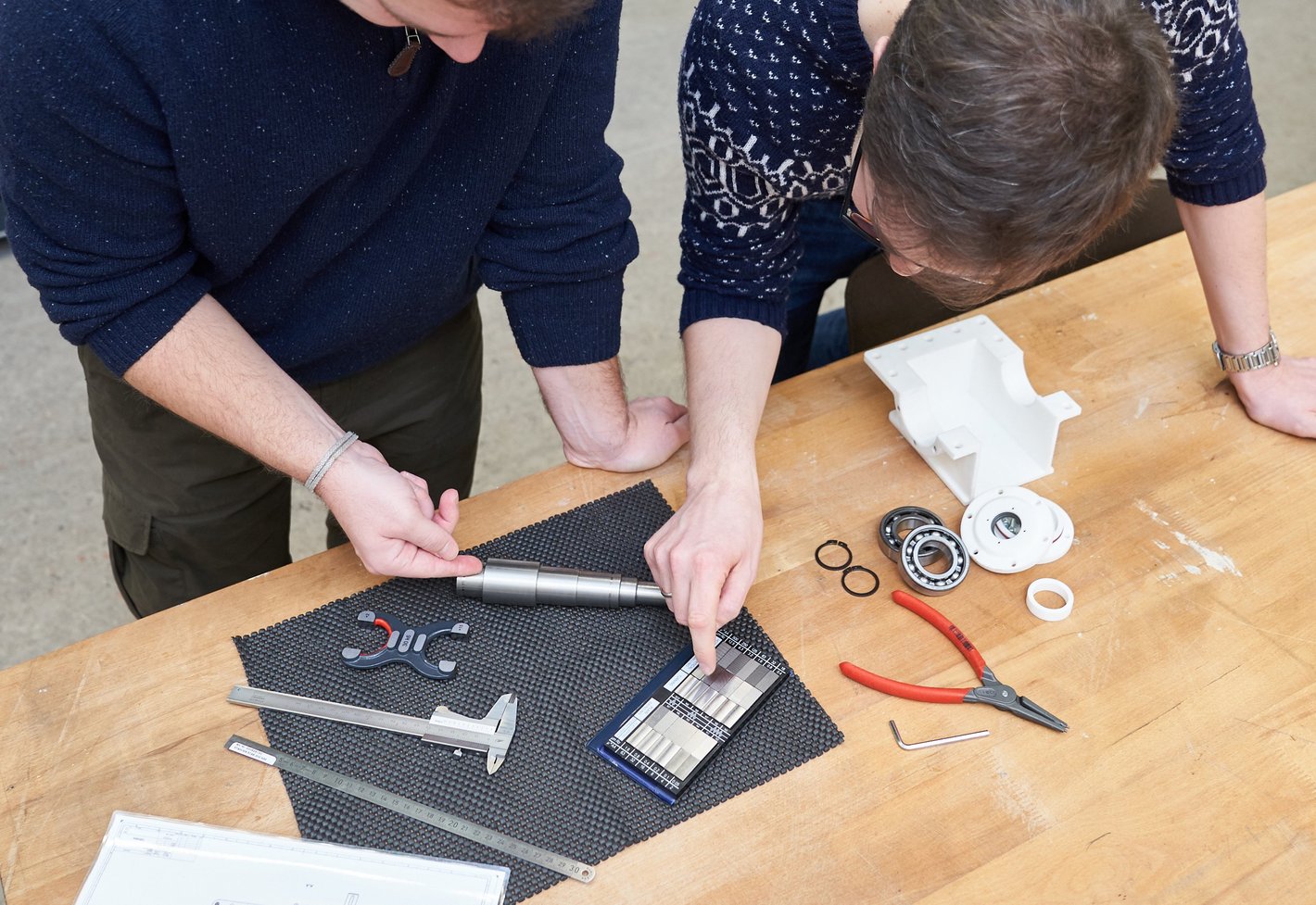
Bei der Entwicklung eines neuen technischen Produkts ist es wichtig, das komplette technische System abstrakt zu betrachten, um neue und innovative Lösungen für einzelne Funktionen zu entwickeln. In den Lehrveranstaltungen zum methodischen Konstruieren wird anhand vieler praktischer Beispiele vermittelt, wie ein Entwicklungsprozess eines Produkts ablaufen kann und sollte. Dabei geht es darum, Kreativmethoden kennen- und anwenden zu lernen sowie auch Wissen anderer Disziplinen in die Konstruktion einarbeiten zu können.
Additive Fertigung von Prototypen
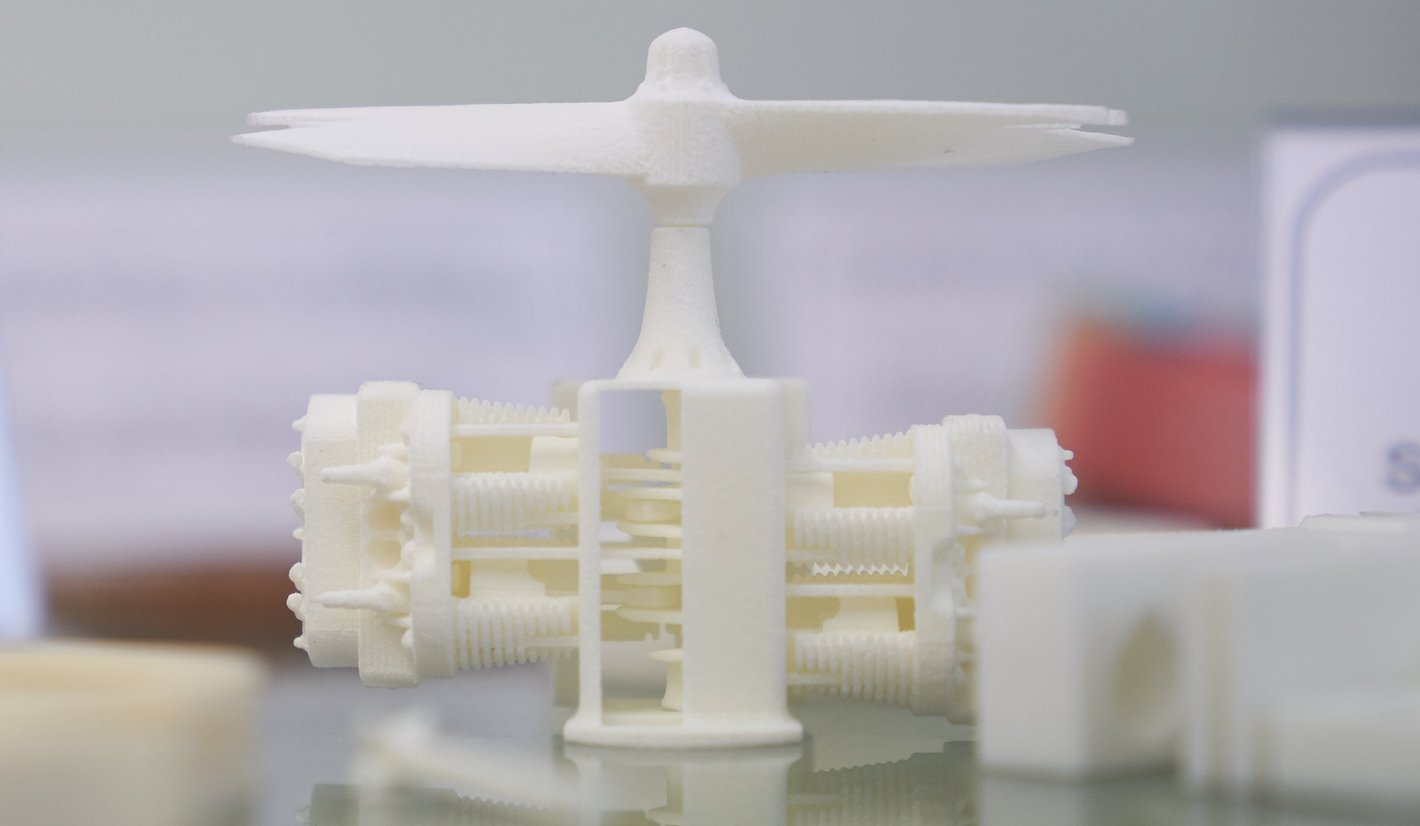
Die Additive Fertigung findet mittlerweile in der Industrie in vielen Bereichen Anwendung. Neben der Herstellung von Prototypen im Produkt-Entwicklungs-Prozess kommt die Additive Fertigung mittlerweile auch in der Serienfertigung im industriellen Alltag zum Einsatz. In der Vertiefungsrichtung Konstruktion werden Grundlagen zu den unterschiedlichen additiven Fertigungsverfahren und zum Vorgehen bei der Konstruktion entsprechender Produkte vermittelt.
Schwerpunkt Konstruktion - unsere Labore
- Labor für Additive Fertigung
- Labor für Maschinenelemente
- Labor für Maschinendynamik
- Labor für Werkstoffkunde und Fügetechnik
- Labor für Industrielle Lasermaterialbearbeitung
Dynamik komplexer Maschinen
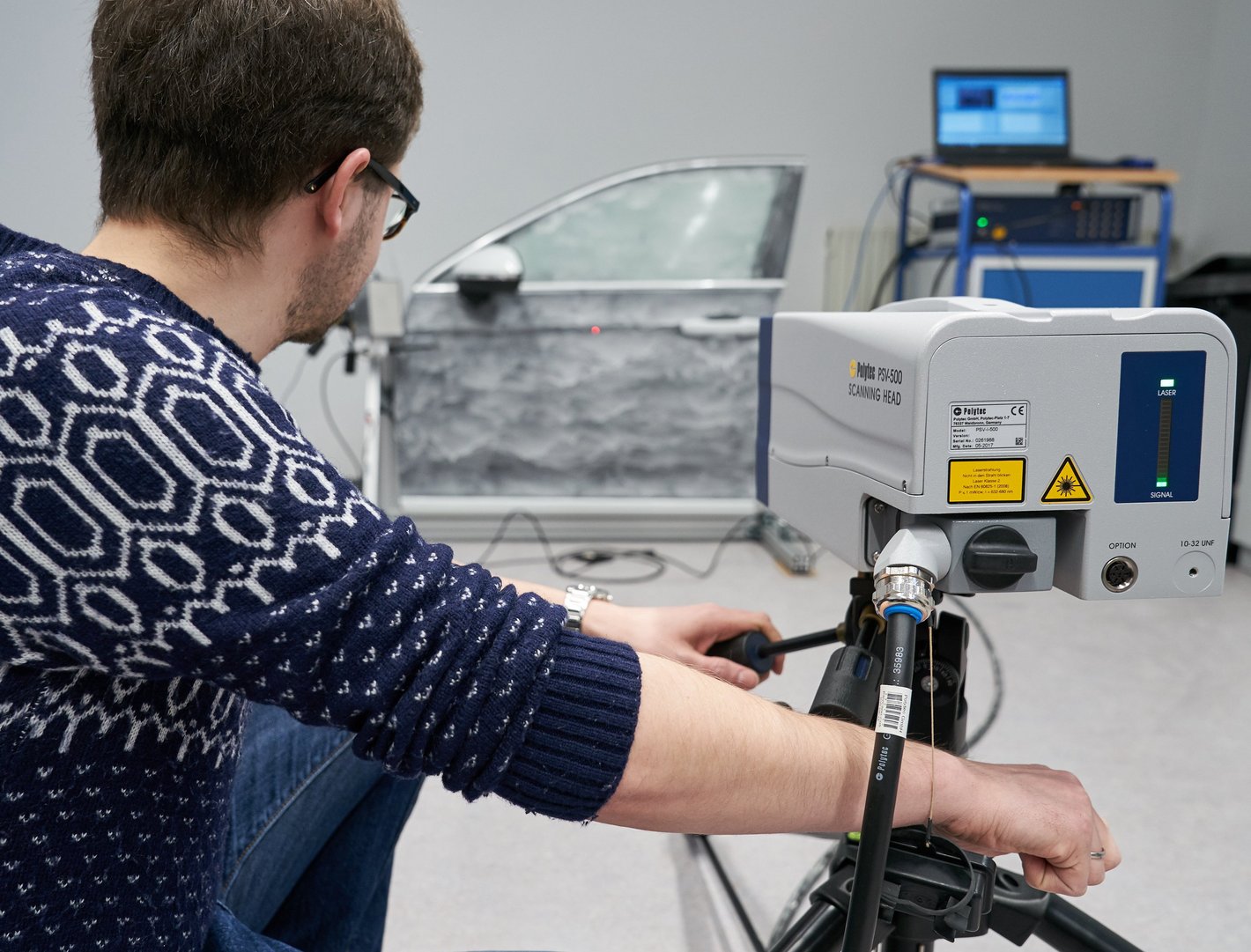
Maschinen sind immer in Bewegung! Dabei gibt es gewünschte Bewegungen wie die Rotation von Getriebekomponenten oder ungewünschte Schwingungen wie z.B. Klappern oder Quietschen.
Bei der Entwicklung und Optimierung von Maschinen analysieren wir die Dynamik aller Bauteile z.B. durch modernste Messtechnik. So stellen wir einen gleichmäßigen Betrieb sicher. Dafür verfügt das Labor für Maschinendynamik über komplexe Schwingungsanalysetechniken wie Laser-Scanning-Vibrometer.
Simulation/FEM und Optimierung

Die Entwicklung neuer Bauteile muss immer schneller und günstiger werden. Um teure Versuche einzusparen, verwenden wir moderne Simulationstechniken.
So kennen wir das Verhalten eines Bauteils schon, bevor wir es erstmals in den Händen halten. Auch die Optimierung bestehender Geometrien durch Computeralgorithmen ist möglich.
Hierfür stehen u.a. die Softwarepakete Abaqus, Optistruct und Tosca bereit.
Leichtbau und innovative Werkstoffe
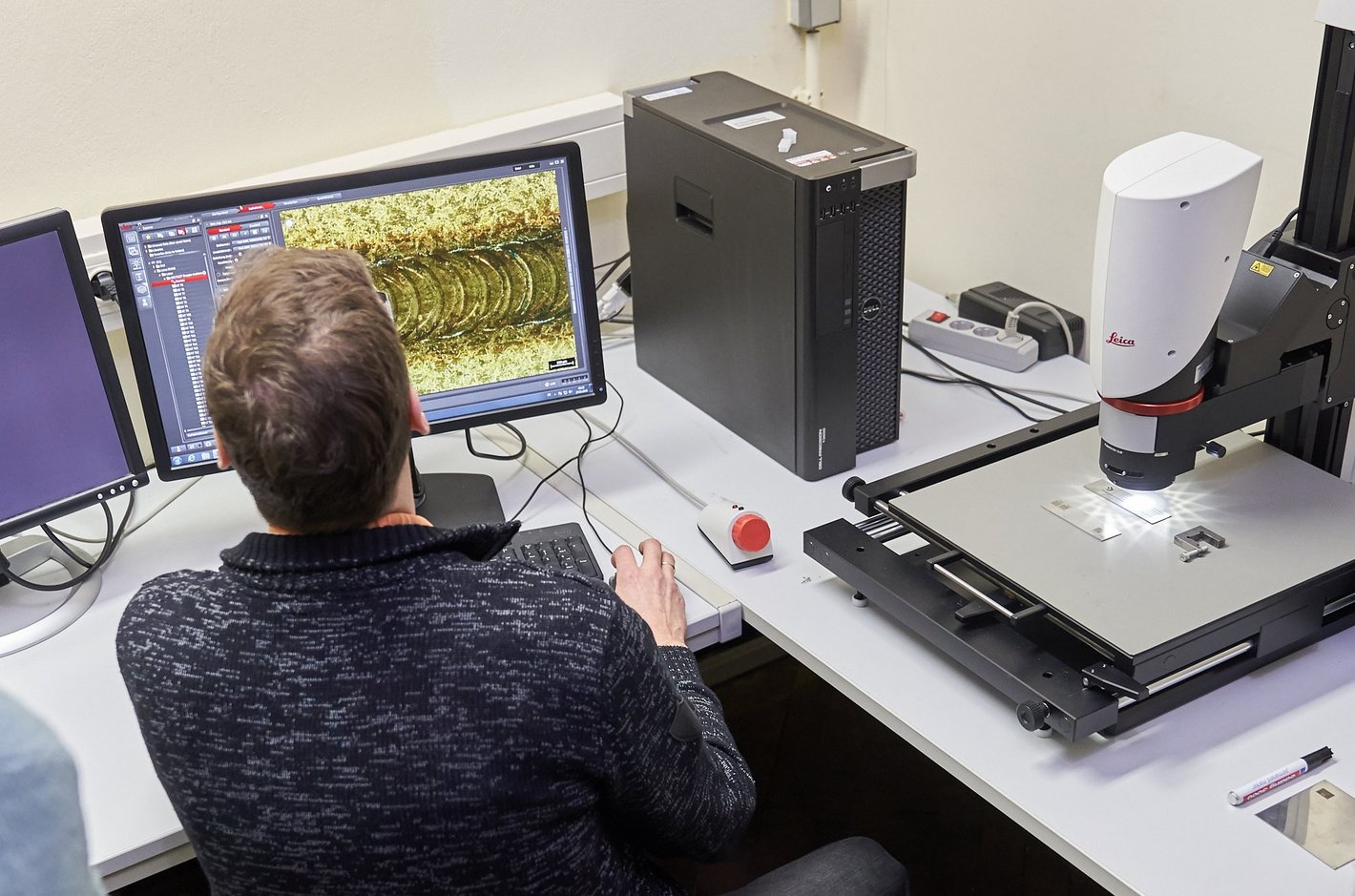
Die Entwicklung von neuen Maschinen, Produkten und Anwendungen ist ohne grundlegende Kenntnisse der Werkstoffe nicht möglich. Heutige Anforderungen konzentrieren sich u.a. auf max. Ausnutzung der Werkstoffe unter Berücksichtigung von Sicherheit und Effizienz. Die richtige Werkstoffauswahl und die optimierte Gestaltung im Leichtbau zur Entwicklung von kosten- und verbrauchsoptimierten Produkten werden mit den Studierenden entwickelt.
Industrielle Lasermaterialbearbeitung
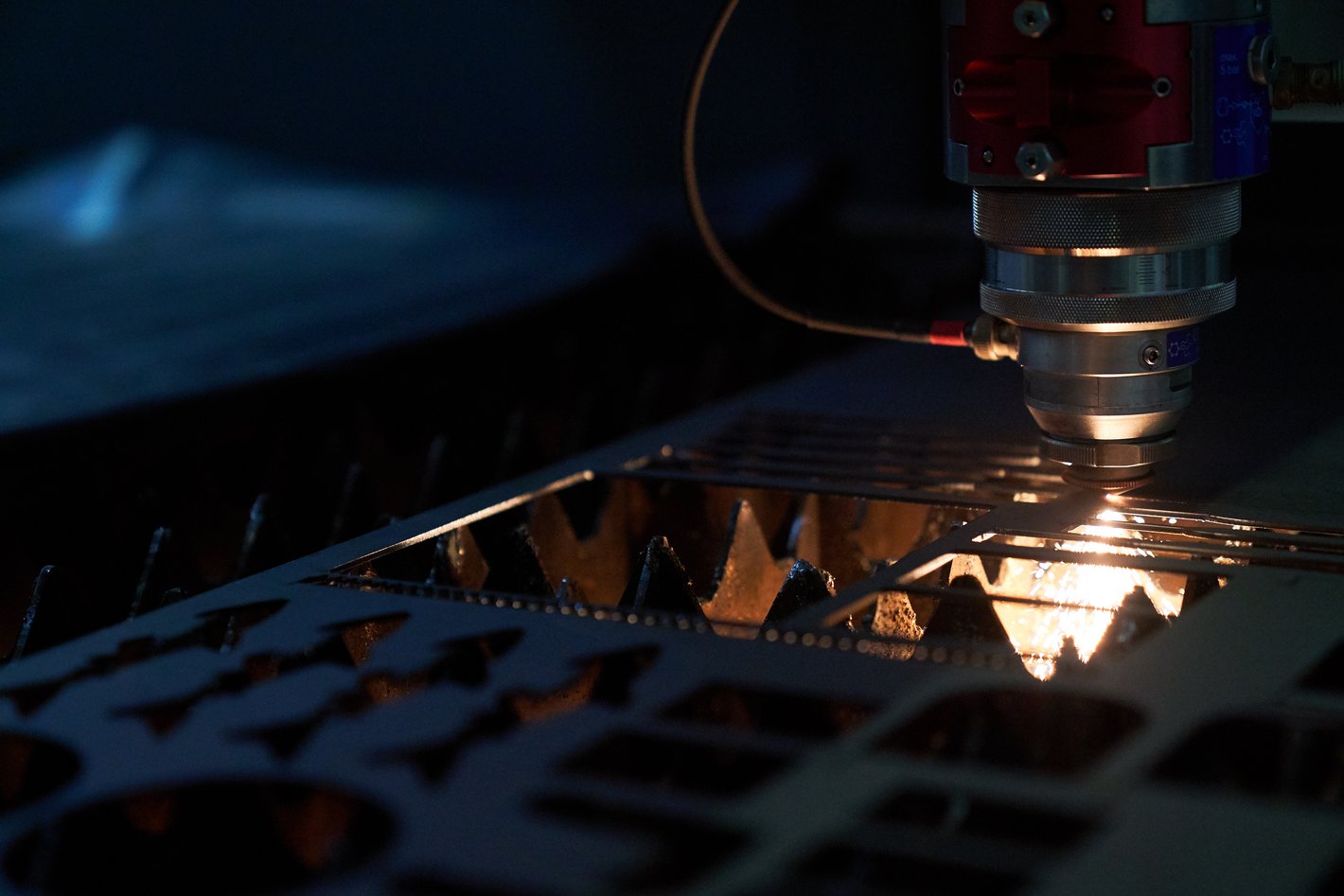
Die Lasermaterialbearbeitung ist eine spez. Fertigungstechnologie im Bereich Schweißen, Schneiden und in der Bearbeitung von Oberflächen. Hierbei wird berührungslos mit hoher Energiedichte gearbeitet und die Vorteile der wärmearmen Bearbeitung mit Lasern für eine effiziente Fertigung ausgenutzt. Die Wechselwirkung von Werkstoff mit den unterschiedlichen Lichtwellenlängen des Lasers ist entscheidend für den Prozessablauf und wird in Vorlesung sowie durch das Labor erarbeitet.
Ask the Professor
Wenn Du Fragen hast, kannst Du auch direkt mit der leitenden Professorin der Vertiefungsrichtung Konstruktion sprechen. Bei uns ist die persönliche Betreuung kein leeres Versprechen:
Prof. Dr. Kathrin Ottink:
TEL: 04921 807 1406
EMAIL: kathrin.ottink(at)hs-emden-leer.de
Weitere Impressionen zum Studium erhältst Du auf der Website unseres Labors für Maschinenelemente.
Informationen zur Hochschule findest Du unter www.hs-emden-leer.de und über die Homepage des Studiengangs. Der Studiengang ist nicht zulassungsbeschränkt, die Fachhochschulreife reicht aus. Genauere Informationen zum Hochschulzugang gibt es über die zentrale Studienberatung der Hochschule.
Vertiefungsrichtungen
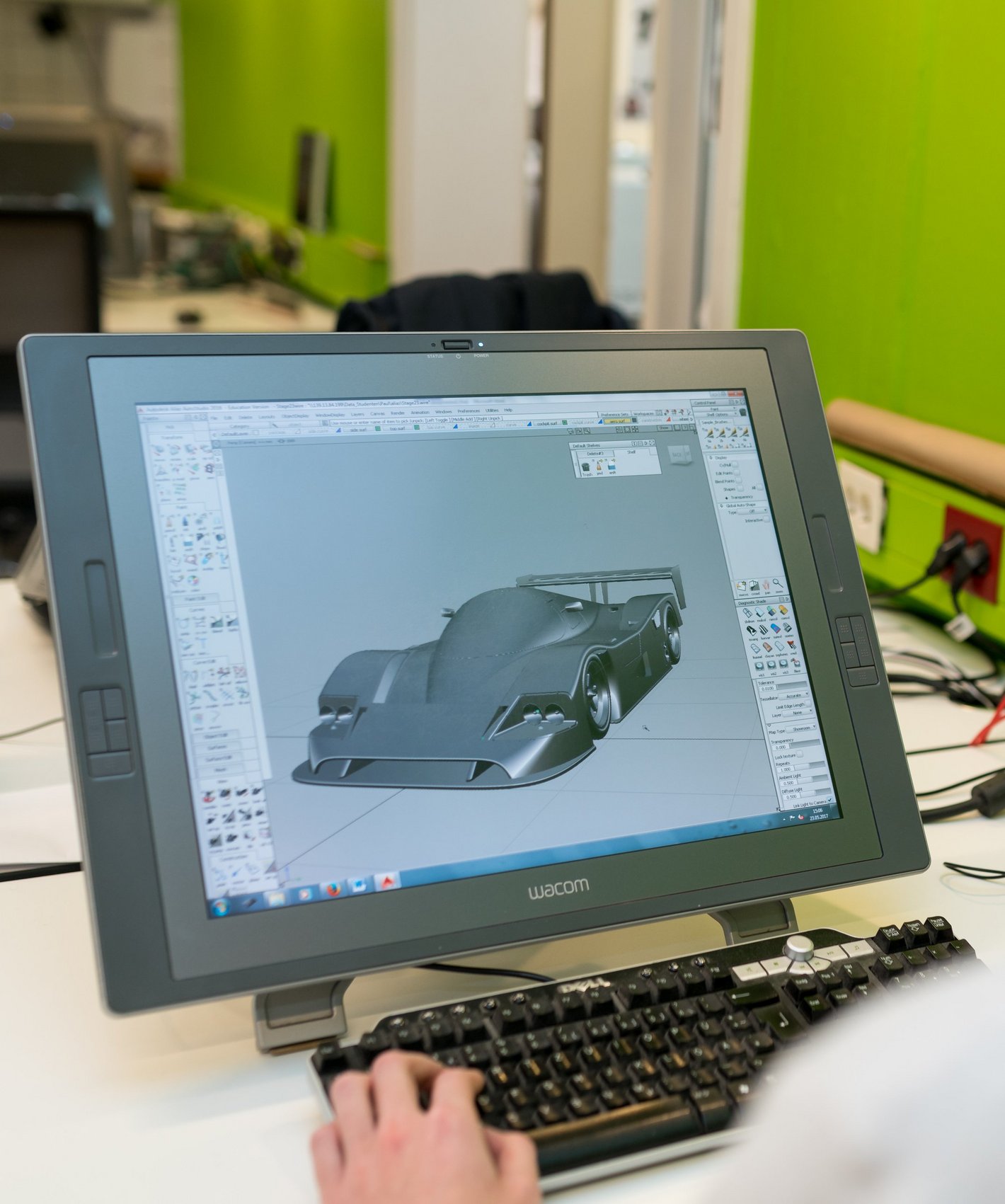
Produktentwicklung & Design
In dieser deutschlandweit einzigartigen Studien-Kombination vermitteln wir das notwendige Fachwissen aus Designtechniken, den modernen Methoden der Produktentwicklung und dem Maschinenbau.
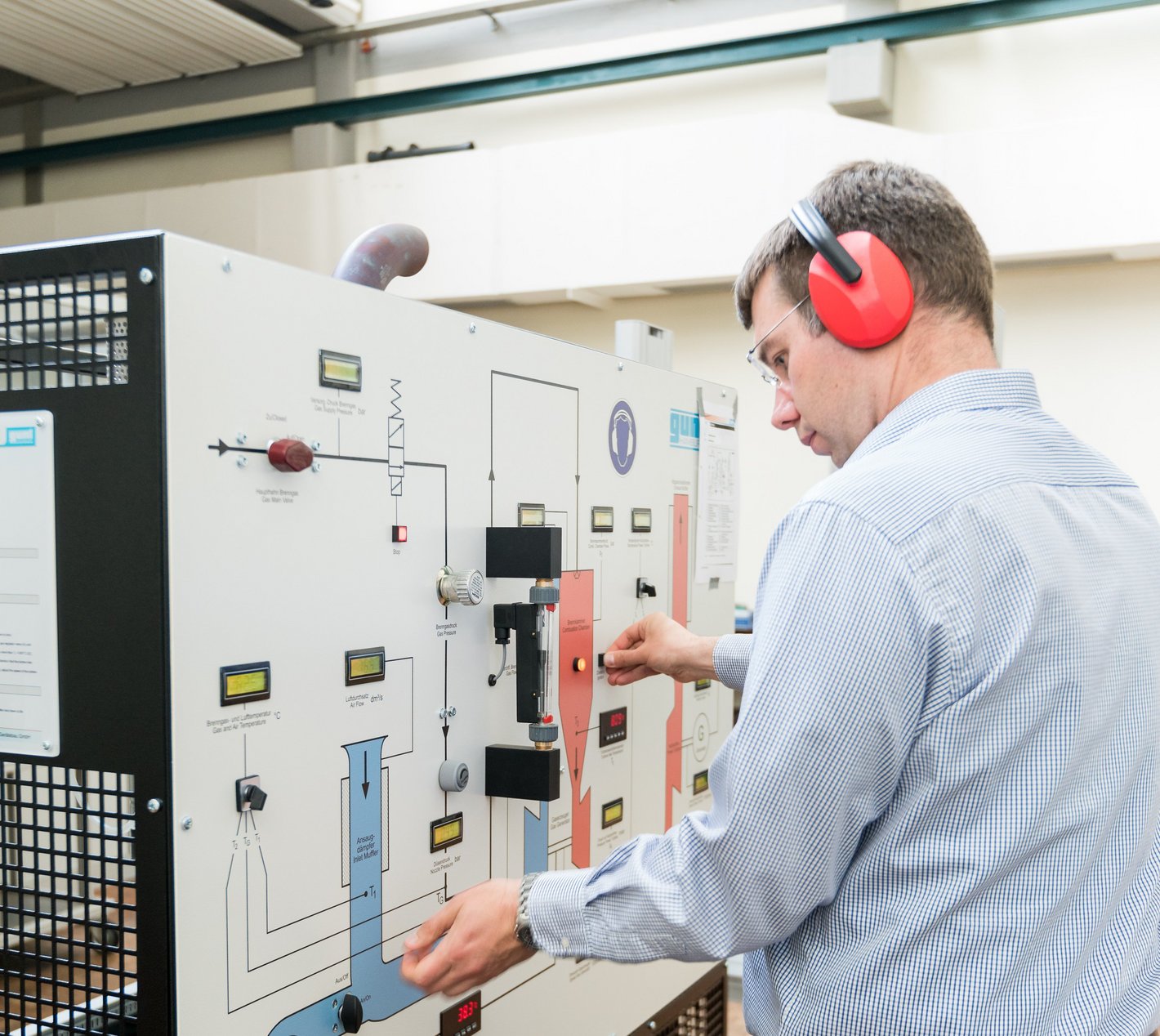
Anlagentechnik
Der Maschinen- und Anlagenbau ist eine traditionelle Ingenieurwissenschaft, wobei die Anlagentechnik ein Teilgebiet des Maschinenbaus darstellt. Der Anlagenbau ist einer der größten Arbeitgeber und Industriezweige in Deutschland.
Produktionstechnik
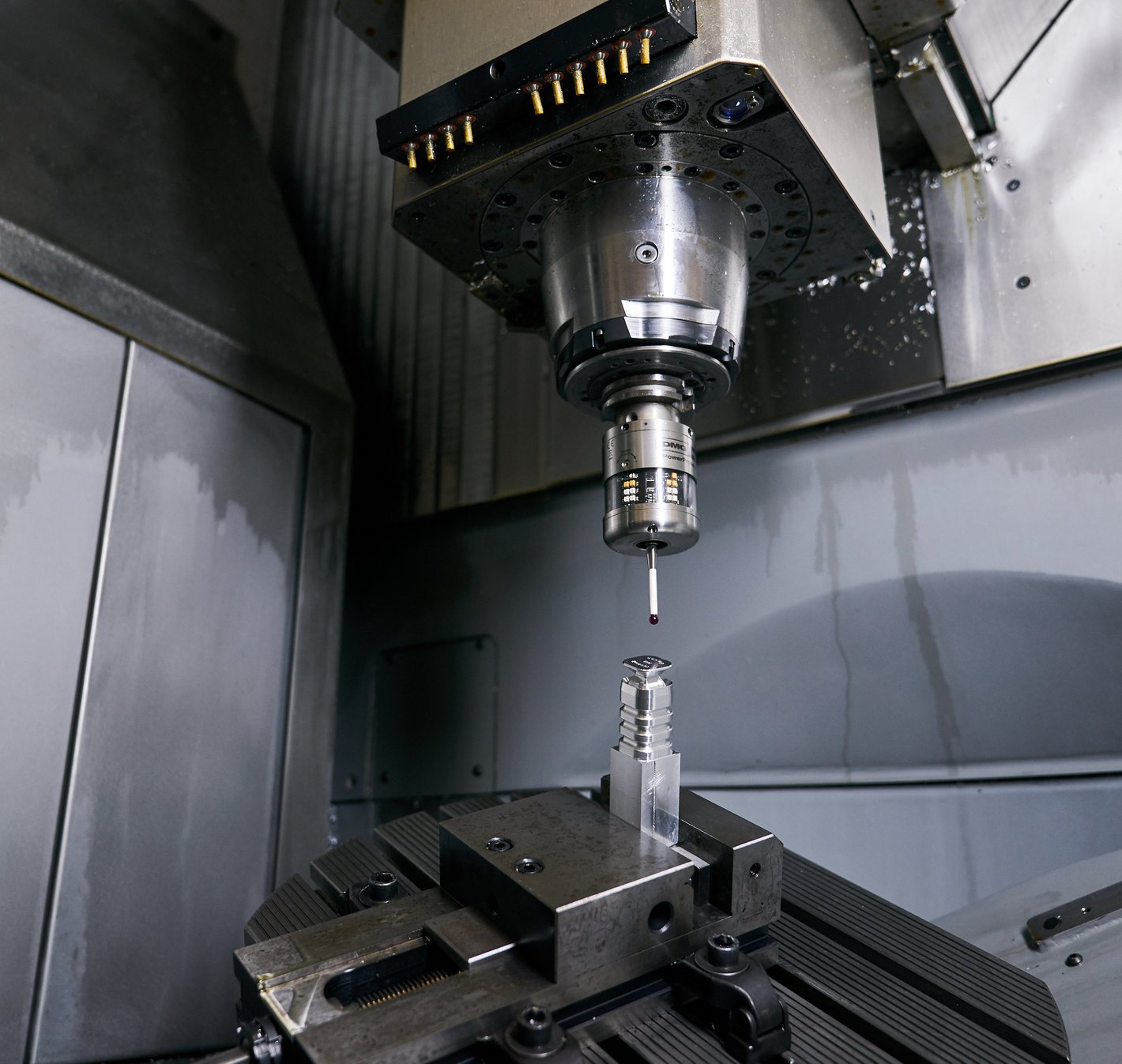
In unserer Vertiefungsrichtung der Produktionstechnik bekommst Du Einblick in die organisatorischen, technischen und wirtschaftlichen Aspekte von produzierenden Unternehmen, lernst Probleme zu erkennen und industrielle Abläufe zu optimieren.
Die Konstruktion ist nicht ganz das Passende für Dich?
Wir haben auch noch andere Vertiefungsrichtungen. Versuch´s doch mal damit!
Search