

Beehive Scale
It is of interest to both migratory beekeepers and stationary beekeepers to know how the nectar flow is progressing in each hive. With the advent of modern technology in beekeeping, hive scales have proven to be a practical tool for remotely monitoring changes in hive weight over time.
Since the prices for professional hive scales are in the high three-digit range, and since it is also desirable to monitor multiple hives simultaneously, these scales have not yet gained widespread adoption.
The motivation for this project was therefore to develop a simple model of a beehive scale that can be replicated by hobby beekeepers using inexpensive, readily available parts and that is virtually on par with professional devices in terms of functionality, stability, weather resistance, and other factors.
Implementation
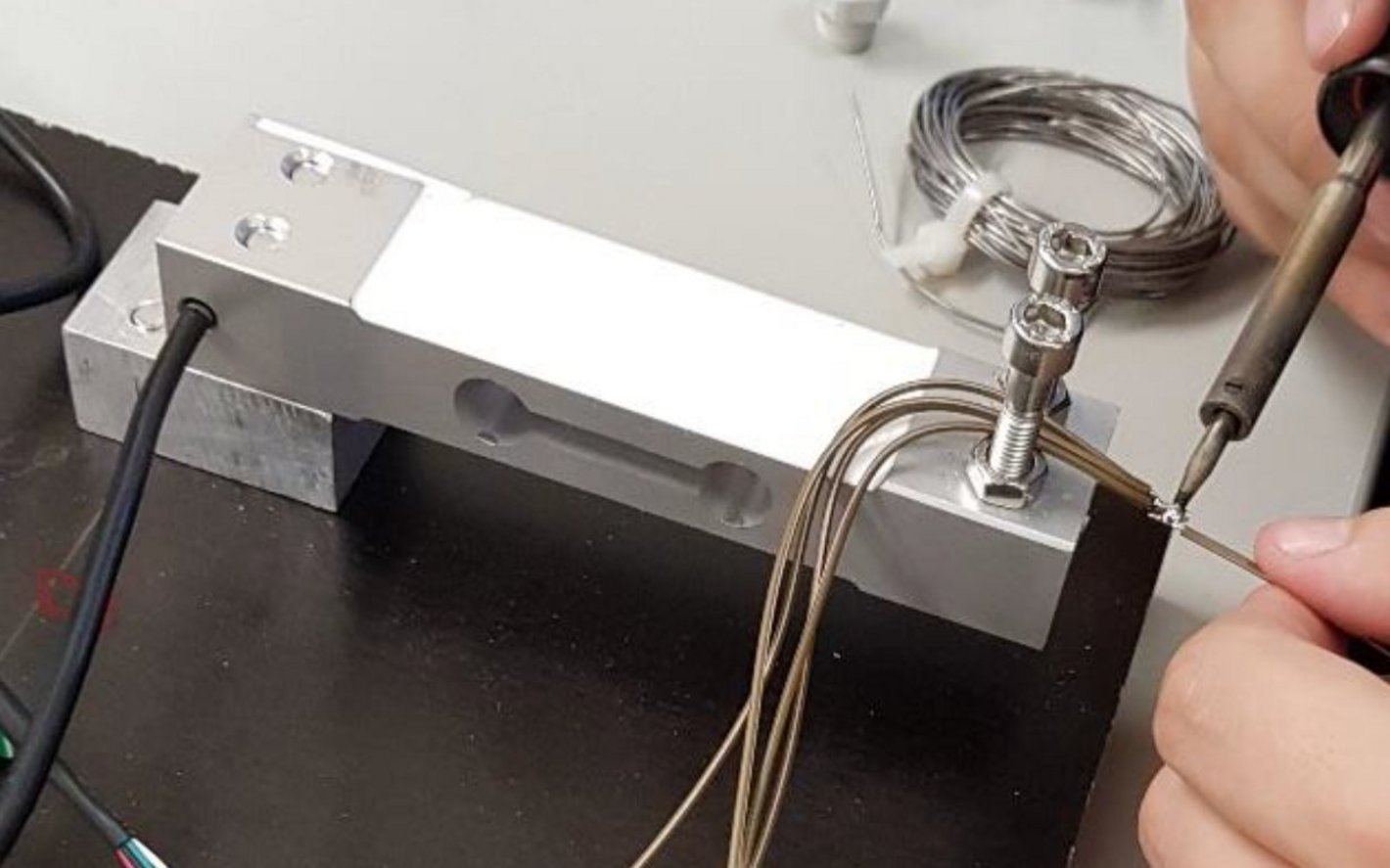
The weight of the beehive is determined at four measurement points, each of which has a load cell.
A load cell typically uses strain gauges, which have a resistance that varies depending on the load. This change in resistance is converted into an analog measurement signal and then into a digital signal via a 24-bit analog-to-digital converter.
Radio link
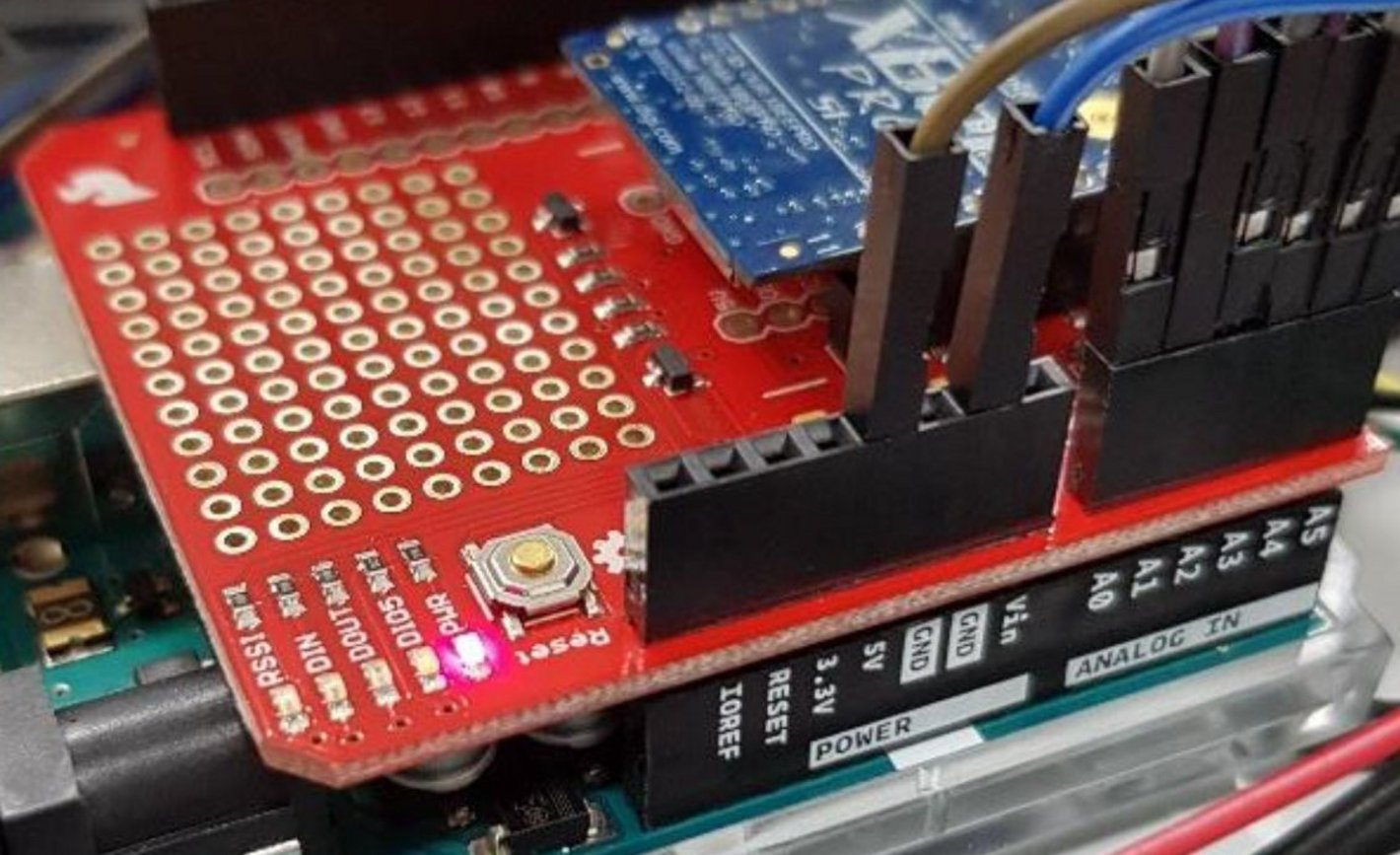
Data is collected using an Arduino® Uno, a physical computing platform consisting of software and hardware. A so-called XBEE shield with an XBEE wireless module is attached to the Arduino®.
The Arduino® uses this to transmit the measurement data to the receiver, a RaspberryPi™, a Linux-based miniature computer. The transmission range using this method is up to 1,500 m.
Internet - Cloud - Smartphone

The RaspberryPi™ connects to the Internet via Wi-Fi or a cable. It sends the data to the cloud, specifically to the Internet of Things platform ThingSpeak.
This platform is capable of collecting and analyzing data in private channels and making these analysis results, data, and graphs available worldwide via an app on smartphones, tablets, and PCs through public channels.
Downloads
Dokumentation_Bienenstockwaage_online.pdf
Project documentation, including construction specifications, parts list, sources of supply, and program code
3 MB
Search