

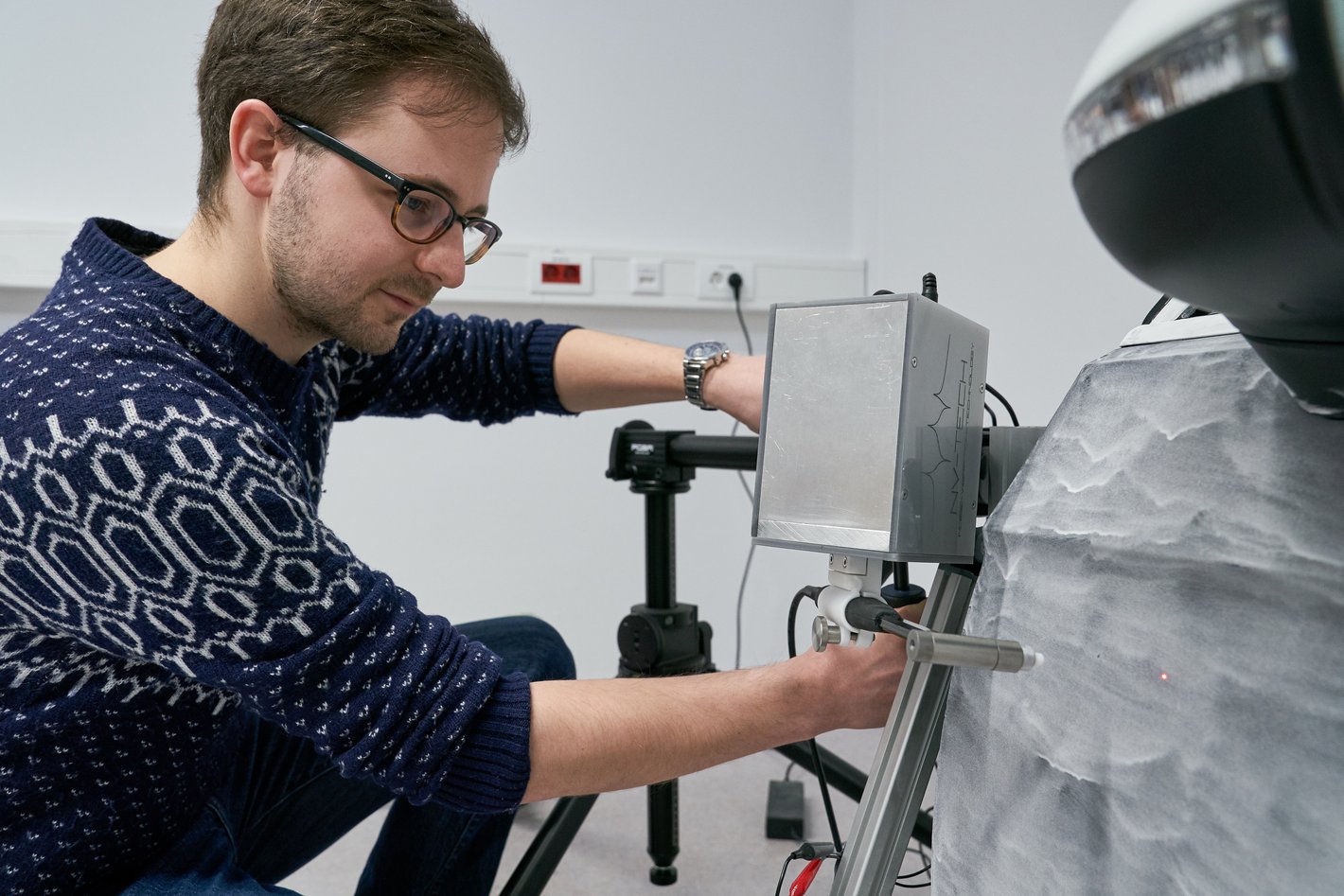
PSV-500 Vibration Measurement System
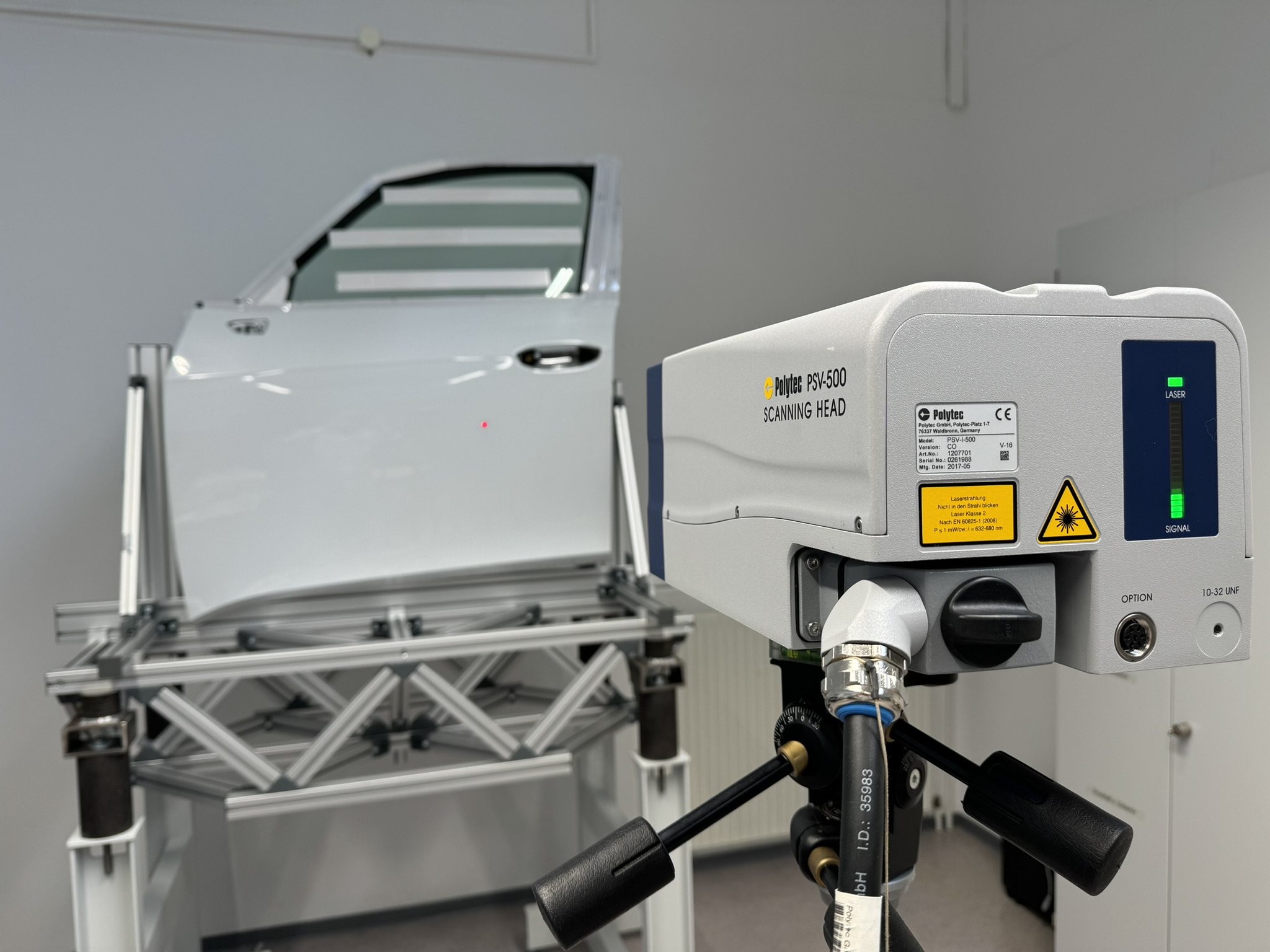
Non-contact, full-surface measurement of vibration modes.
Unlike adhesive-mounted accelerometers, the scanning vibrometer performs precise measurements regardless of the component’s geometry, surface, or dynamics. This is made possible by laser-assisted scanning of the component.
To identify a component’s vibration behavior, the system offers the ability to visually display the resulting vibration modes.
Experimental modal analysis with M+P Analyzer
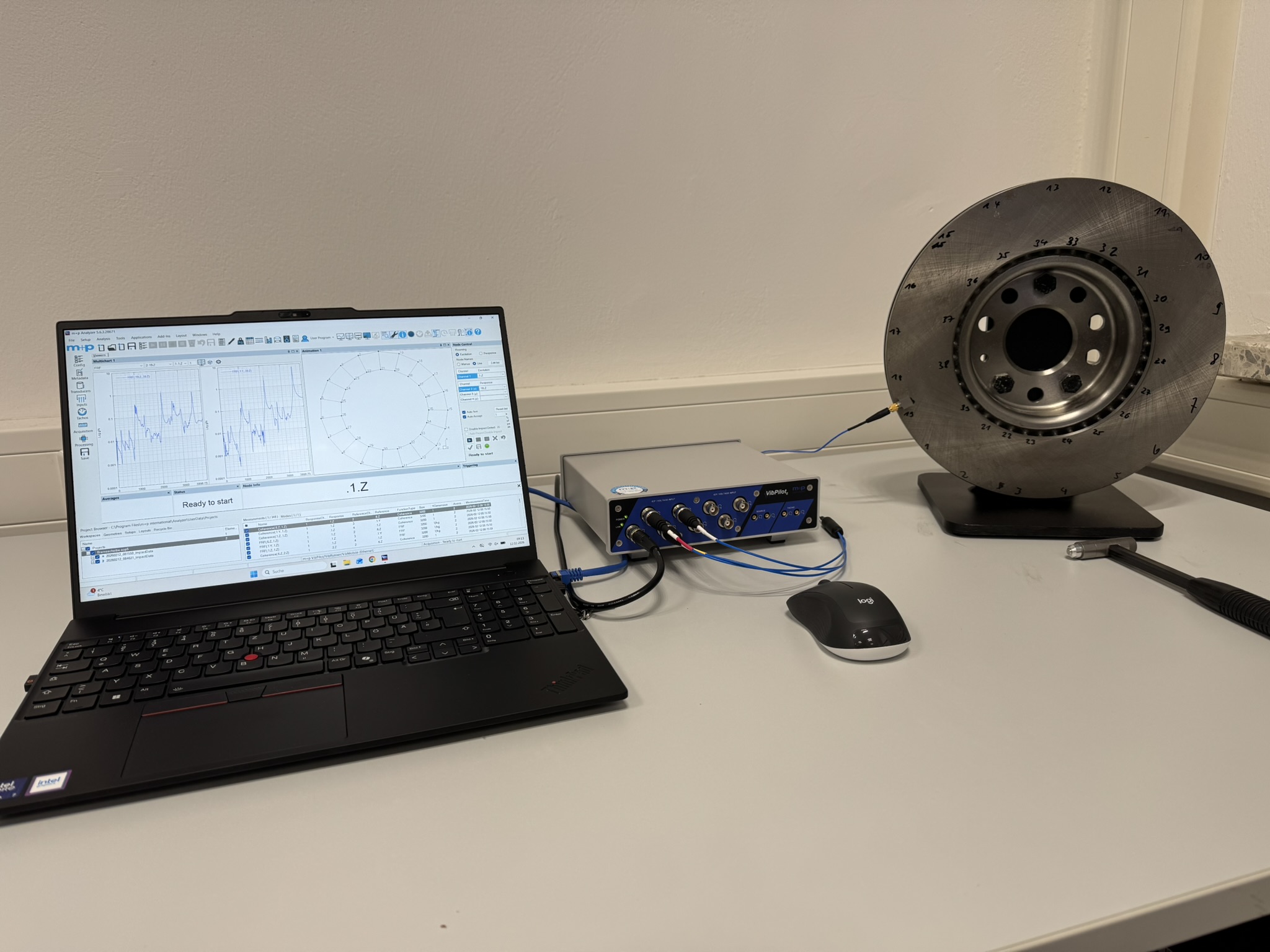
The M+P Analyzer precisely captures vibration signals and analyzes them in both the time and frequency domains. Using FFT analysis and transfer functions, natural frequencies, mode shapes, resonances, and damping characteristics can be reliably determined.
Anton Paar TRB³ Tribometer
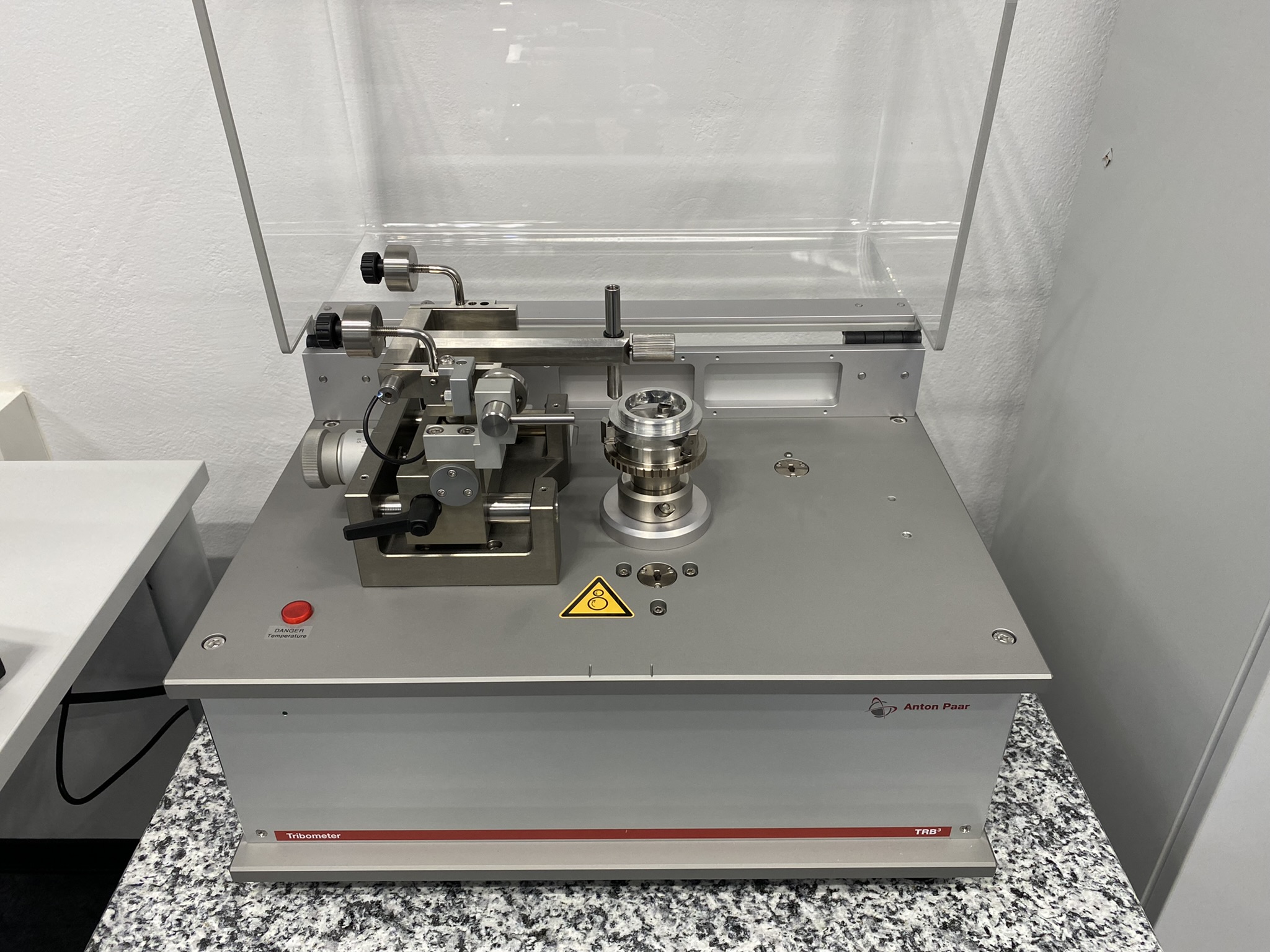
Universal tribometer for determining the friction and wear of various materials.
- Measurement methods: rotary (pin-on-disc) / linear oscillating / rotary oscillating
- Long-term measurements
- dry and lubricated friction measurements
- Determination of wear
- Friction on sealing materials
- Determination of the service life of coatings
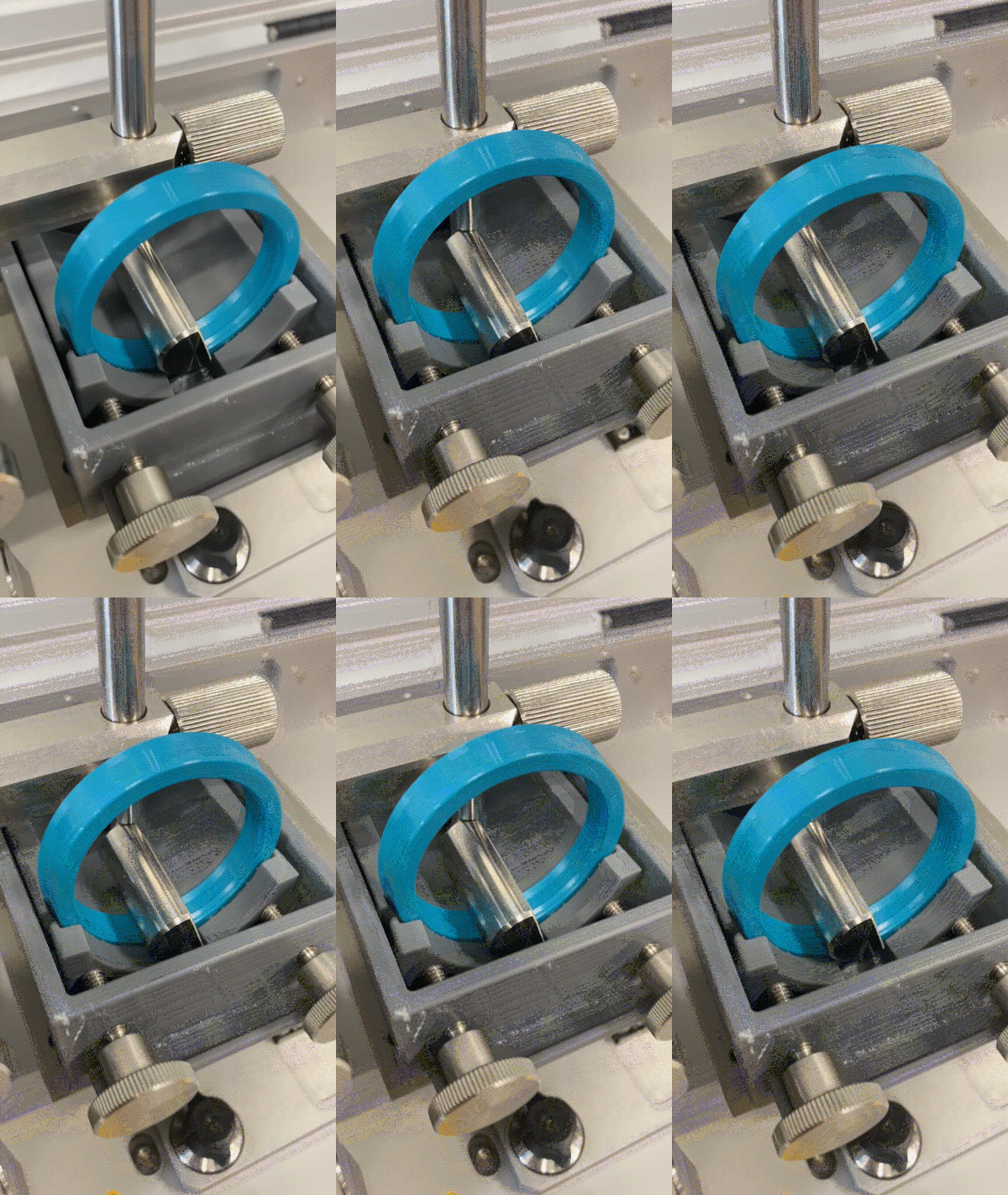
Sliding Bearing Test Bench
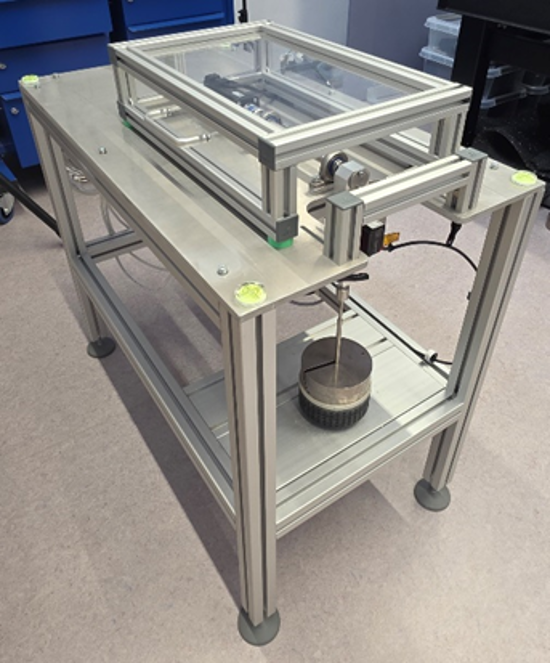
Tribological tests are conducted on a custom-designed test bench that is specifically tailored to the geometry of sliding sleeves. The test system is based on the C2 method in accordance with DIN ISO 7148-2. The sliding sleeves are mounted in a pendulum device and are supported on one side by a motor-driven shaft. The load is applied via defined test weights (0.5 kg / 1.0 kg / 2.0 kg), which are transferred to the test specimens via the pendulum mechanism. Friction is measured non-contact via a laser sensor that measures the horizontal deflection of the pendulum arm. The coefficient of friction is calculated based on this measurement.
Simulation using FEM software tools
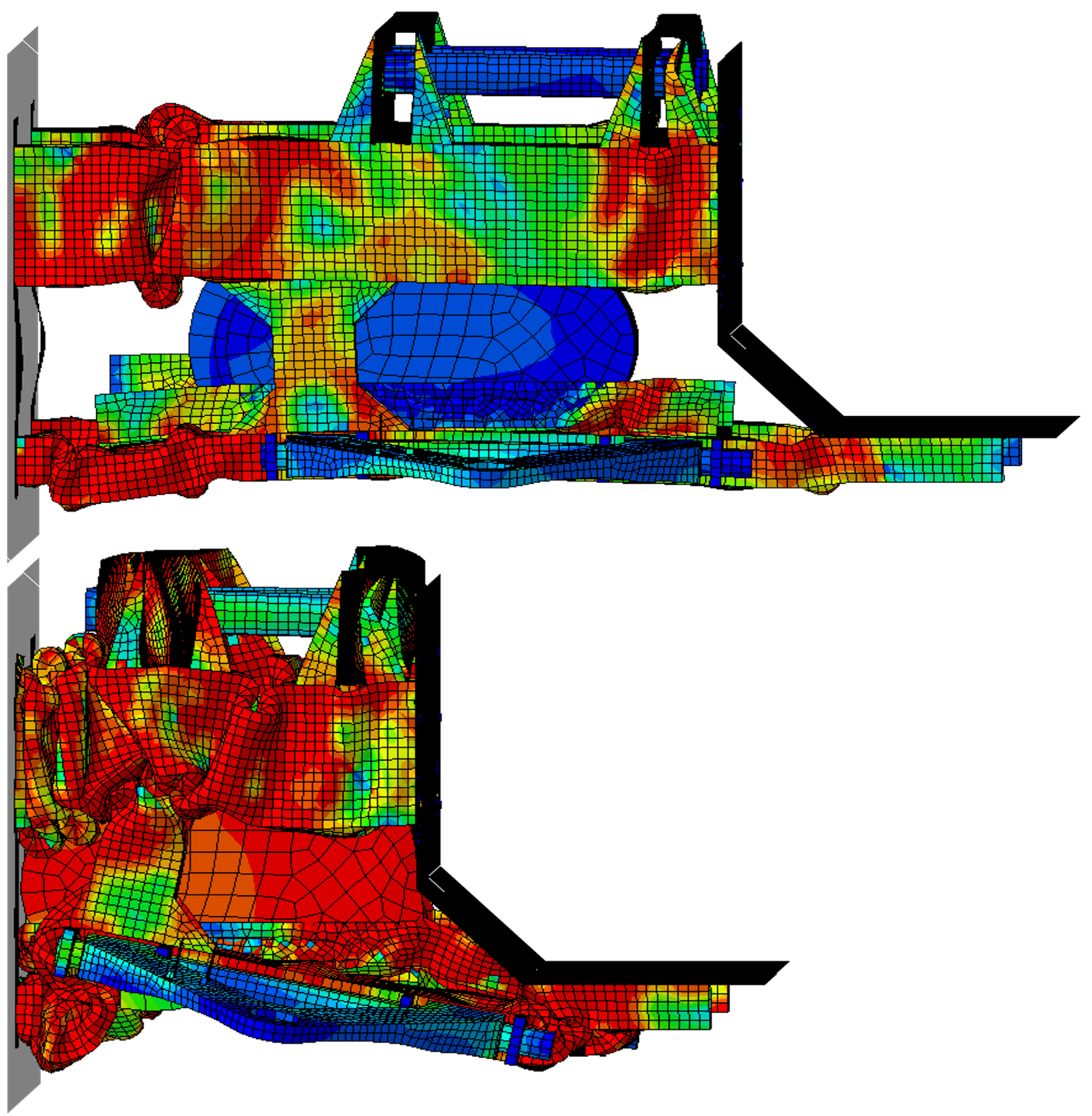
At the Laboratory for Machine Dynamics, simulations using finite element models (FEM) are performed with the Abaqus and COMSOL software packages.
These programs are used to virtually replicate and simulate test setups. By comparing the results with experimental data, simulation models can be validated, allowing predictions about component behavior to be made in subsequent virtual tests.
Furthermore, FEM software is useful for making statements about component properties early in a development project without having to produce a costly prototype.
Search