

Project PANTHER
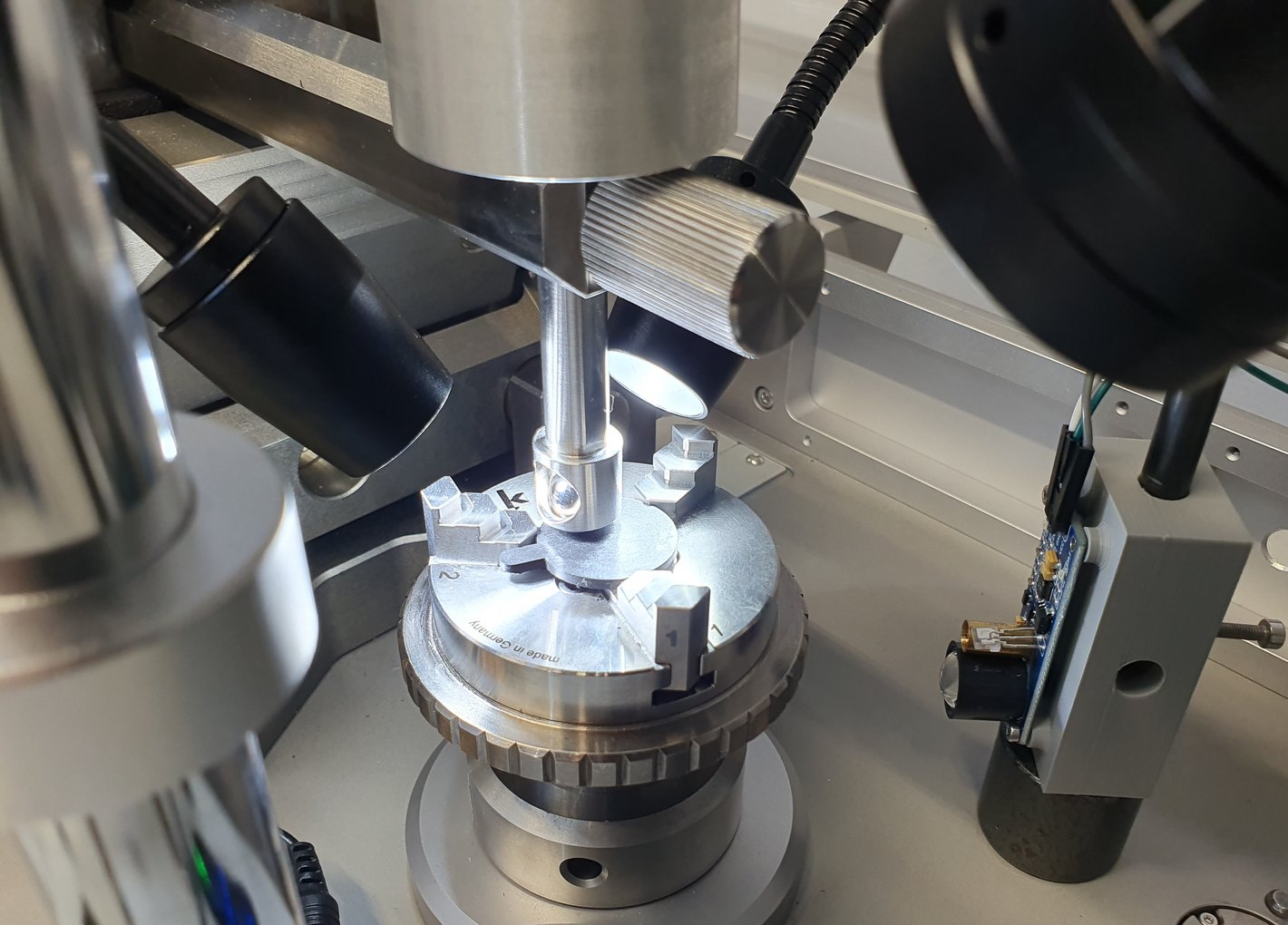
The PANTHER project focuses on the development of sustainable additives for thermoplastics used in friction-bearing applications—such as bearing bushings or slide guides. The goal is to replace the PFAS-containing materials (such as PTFE) that have been commonly used to date with more environmentally friendly alternatives.
PFAS are considered persistent pollutants that can accumulate in the environment and the human body. The project therefore identifies alternative friction-reducing additives and specifically incorporates them into new material formulations. Instead of a traditional trial-and-error approach, a systematic method is employed to develop effective and sustainable solutions for industrial applications.
The project is funded by the Federal Ministry of Education and Research as part of the DATIpilot program and will run from December 2024 to May 2026. The project is led by Prof. Dr. Matthias Graf at the Department of Engineering at the University of Applied Sciences Emden/Leer.
Dynamic two-component seals produced via additive manufacturing: DFG Individual Research Grant 2021–2025
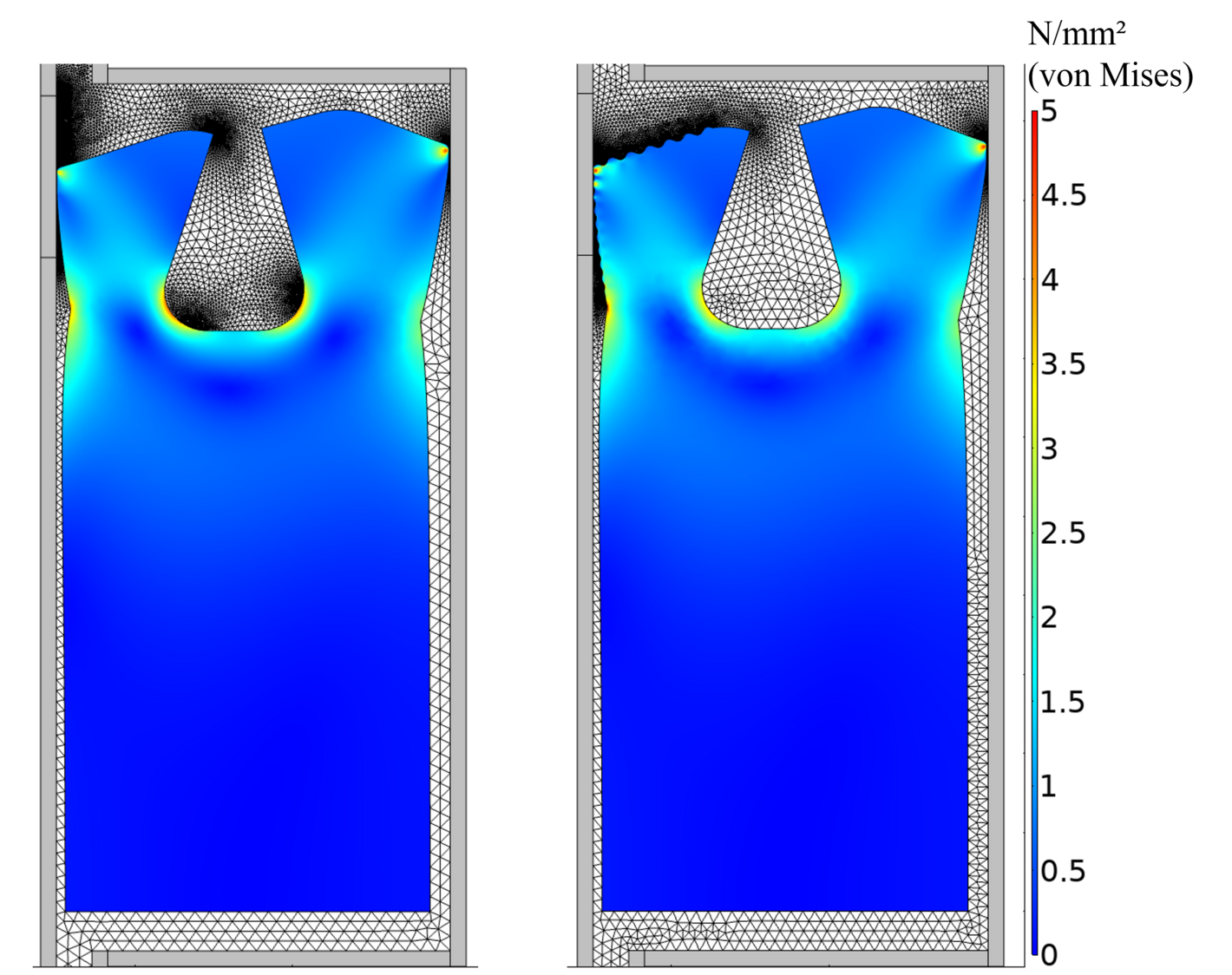
In the future, replacement seals will be able to be produced directly via 3D printing on offshore platforms or in other remote locations. The goal of the project, funded by the German Research Foundation, is to combine two plastic parts—an elastomer and a thermoplastic—in a single manufacturing step to produce ready-to-use rod seals.
Until now, both components have had to be produced separately, transported, and assembled on-site, which requires a large inventory of spare parts. The new process aims to eliminate this need through additive manufacturing at the point of use.
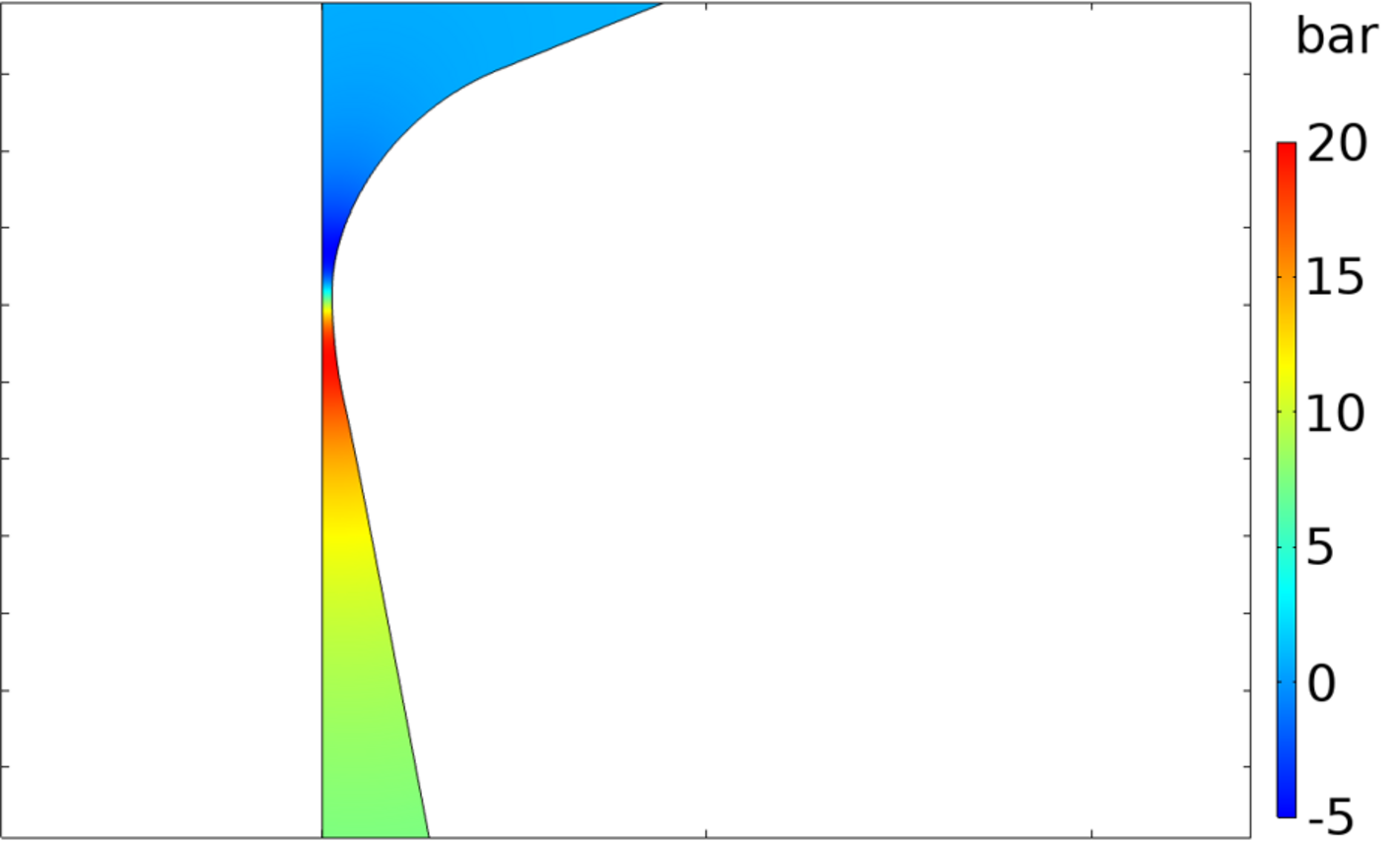
Complex simulations are being conducted in the Laboratory for Machine Dynamics to support the development. The focus is on the lubricating film, just a few micrometers thick, between the seal and the rod, which is calculated using coupled elastohydrodynamic (EHD) simulation. This combines the nonlinear elastic behavior of the seal with the Reynolds equation for the lubricating film.
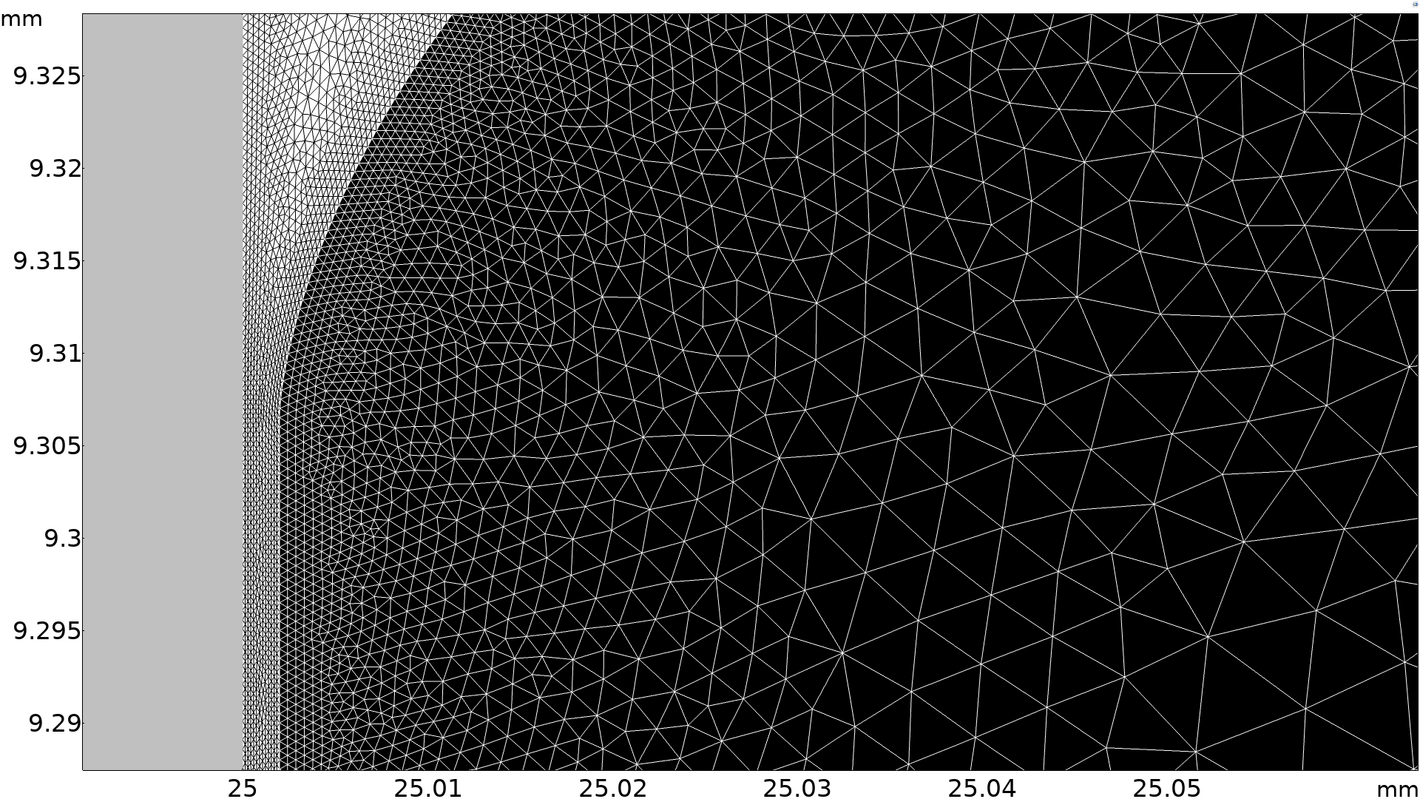
The finite element models are solved in COMSOL with GPU support to develop optimized geometries that cannot be manufactured conventionally but can be realized using 3D printing. Project partners include the Laboratory for Additive Manufacturing at the University of Applied Sciences Emden/Leer and the German Institute for Rubber Technology (DITK).
Vibration Analysis and FEM
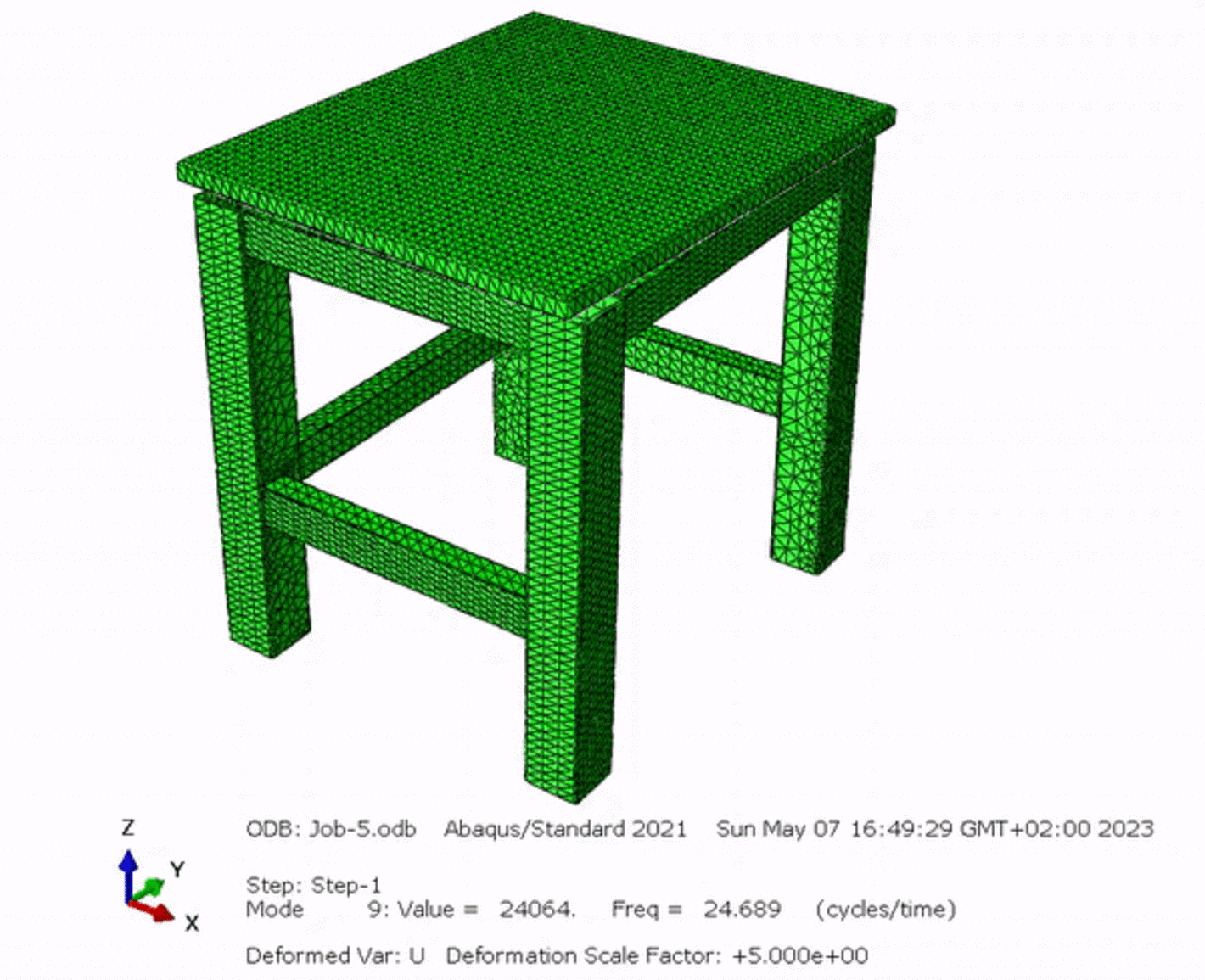
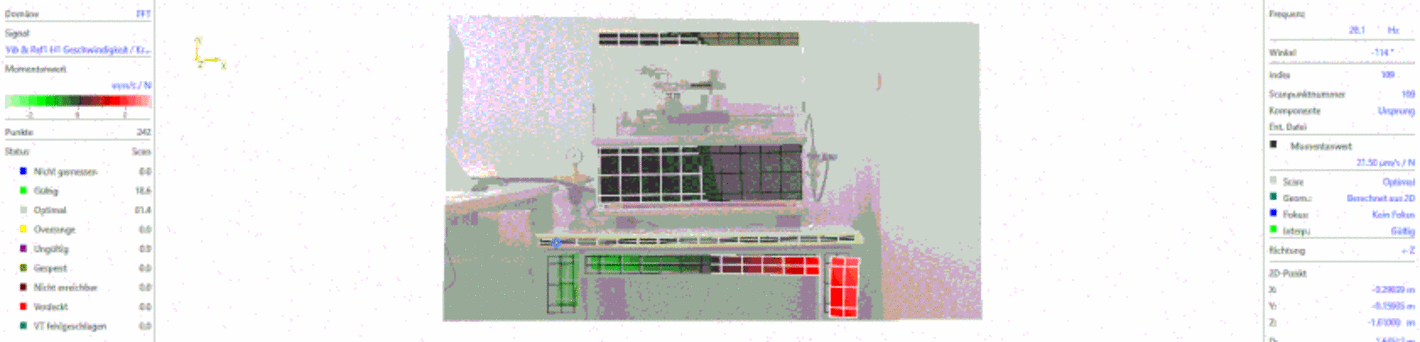
To ensure precise measurement results for vibration-sensitive equipment—such as a tribometer—we conduct comprehensive analyses to determine the natural frequencies of machine and laboratory setups. This involves the use of both numerical simulation methods and experimental measurement techniques.
By identifying critical resonance ranges, operating frequencies can be specifically selected to avoid disruptive vibration effects. This increases the measurement accuracy and operational reliability of sensitive test and measurement systems.
Dynamics and Vibrations in Braking Systems
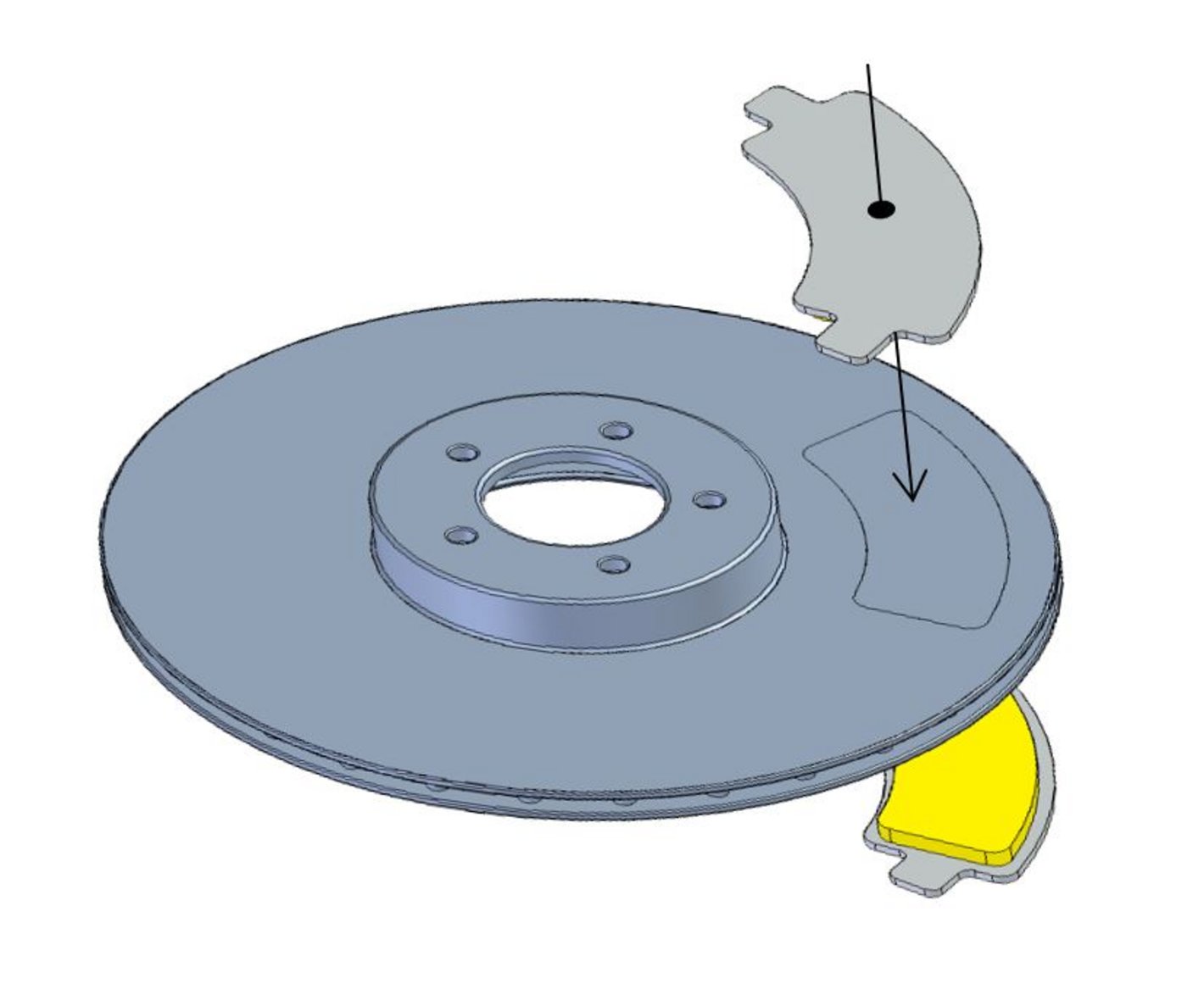
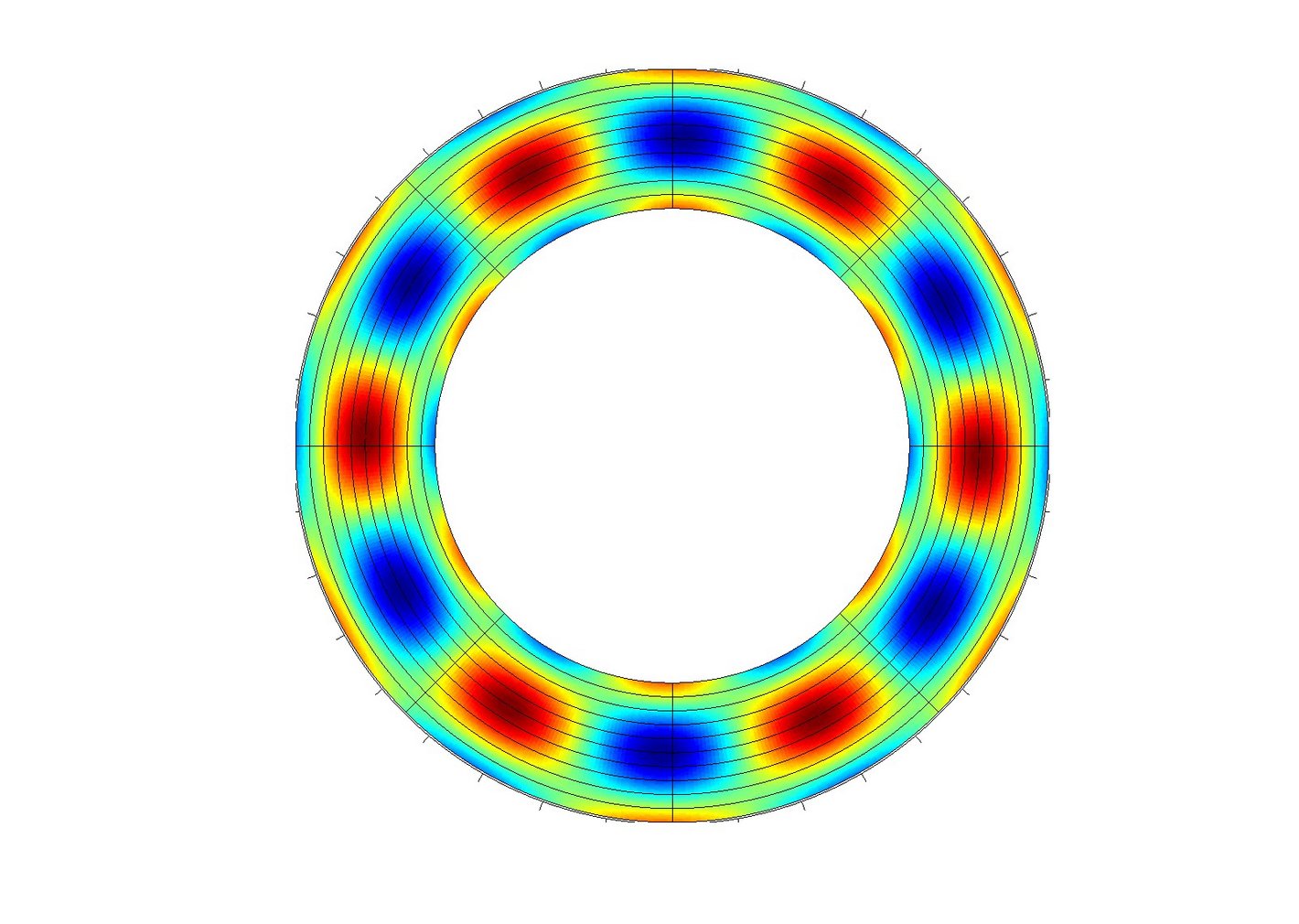
Technical braking systems are a well-established technology used in numerous machines and vehicles to decelerate or limit movement. The braking effect is caused by friction between the contacting surfaces (e.g., brake pads and brake discs) and results in a rise in temperature. In practice, however, numerous vibration phenomena also occur in braking systems, manifesting as squeaking, creaking, or grinding.
The Machine Dynamics Laboratory has the expertise and equipment to investigate such phenomena.
Search