

Additive Manufacturing Laboratory
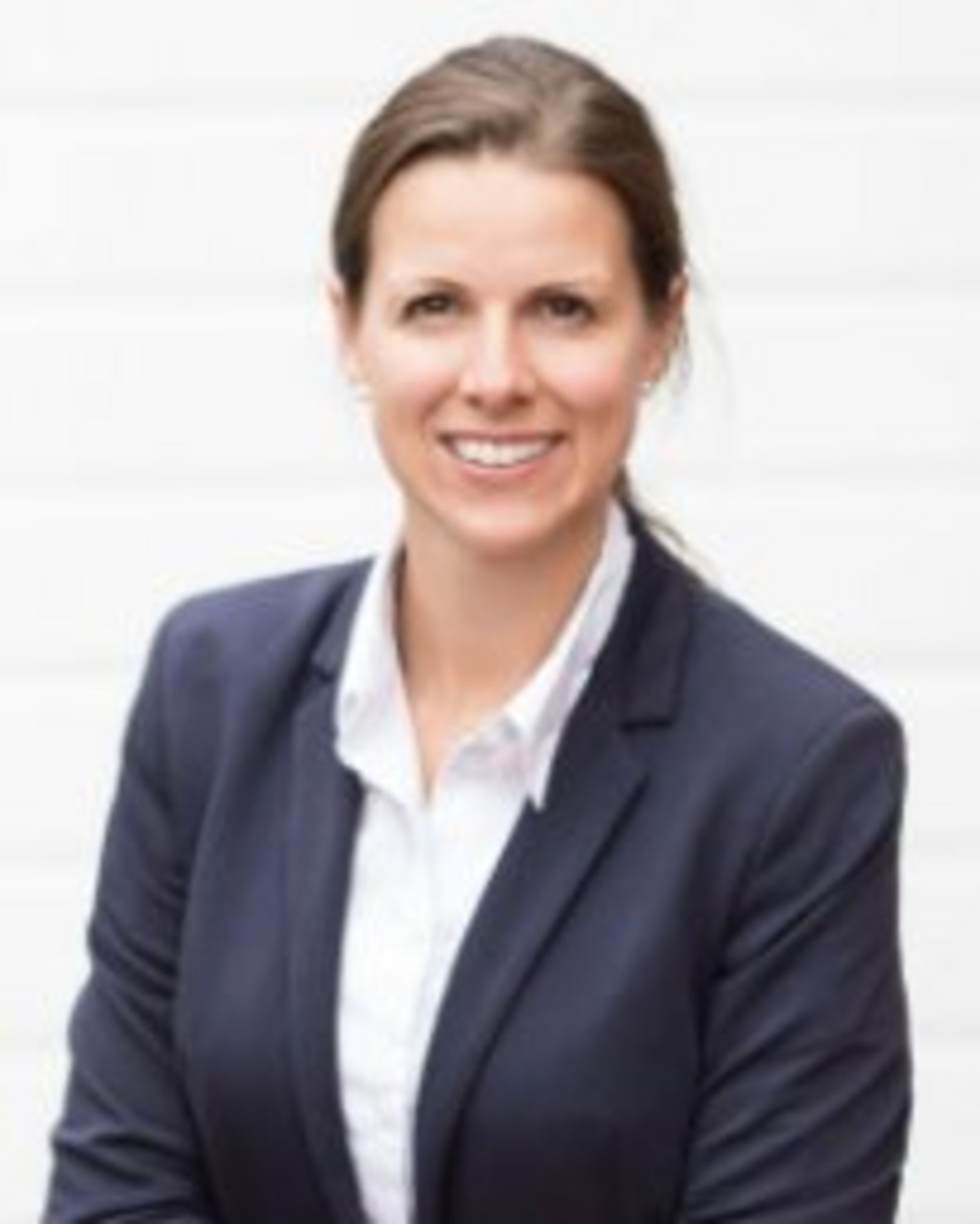
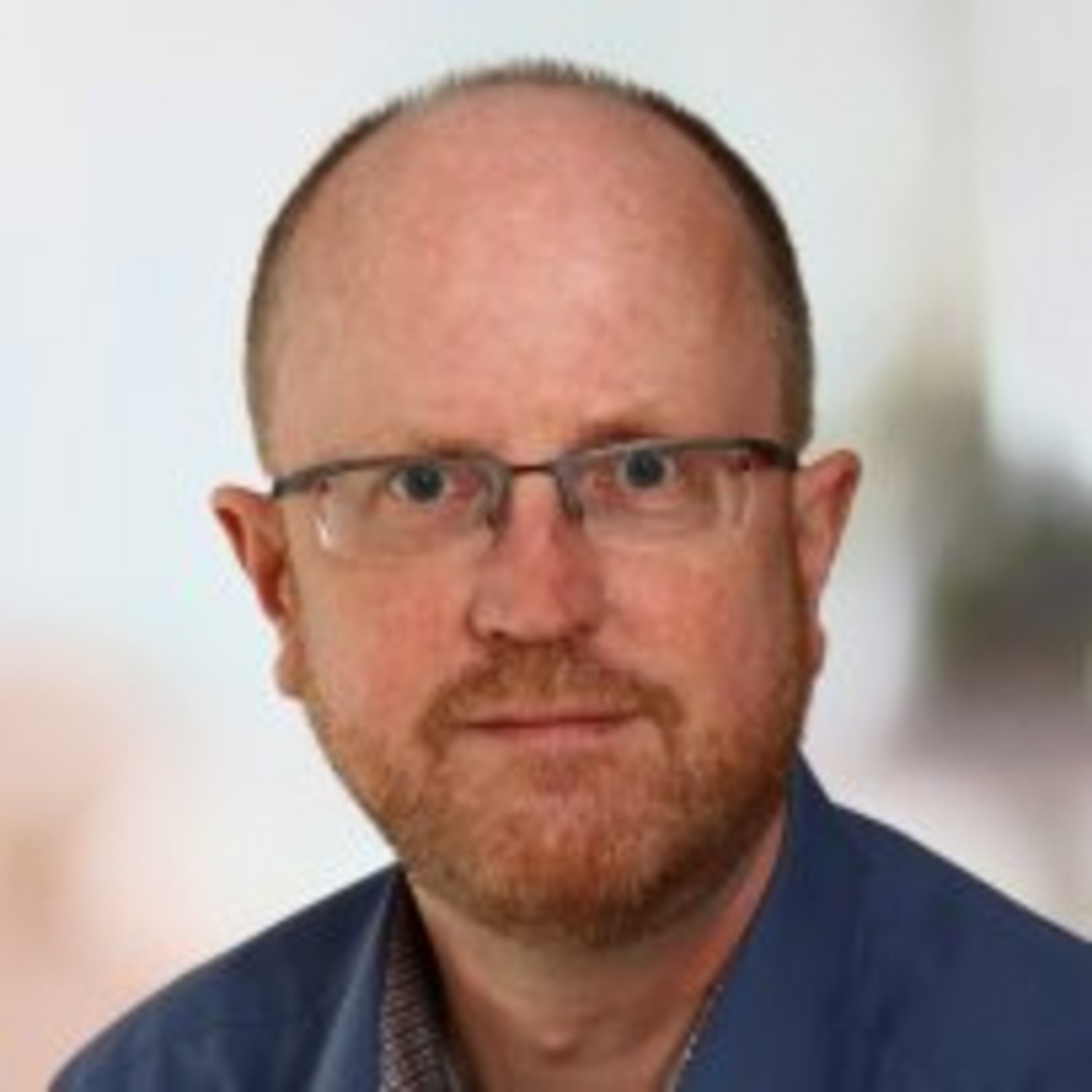
Welcome to the website of the Additive Manufacturing Laboratory at Emden-Leer University of Applied Sciences. Prof. Dr.-Ing. Kathrin Ottink is the academic director for the field of additive manufacturing at Emden-Leer University of Applied Sciences, and Dr.-Ing. Thomas Ebel is responsible for its day-to-day operations. You can find their contact information below.
From Idea to Model – Rapid Prototyping
Rapid prototyping—or, as it is more commonly known today, 3D printing or additive manufacturing—refers to a group of processes that make it possible to create three-dimensional models of an object directly from CAD data during product development. The raw material used is either amorphous (e.g., powder) or form-neutral (e.g., filament) and is shaped into the desired form depending on the printing process used. The resulting products can include models and prototypes, as well as tools and final products. Since no additional tools or molds are required for production, products with complex geometries in particular can be produced quickly and cost-effectively.
In general, these printing processes typically involve splitting a model—usually in the form of a CAD file—into the required layers using slicing software. This information is then transmitted to the system being used. Depending on the process, the layers—and, if possible, any necessary support material—are then generated from this data.
In the Additive Manufacturing Laboratory, students are given the opportunity to turn three-dimensional models created with CAD software into physical objects using various additive manufacturing processes. The Additive Manufacturing Laboratory specifically supports education in the Mechanical Engineering program with a focus on product development and design, and works closely with the CAD Laboratory and the Design Laboratory. The implementation and supervision of projects and theses are also an integral part of the curriculum. The focus is on linking previously learned theory with applied practice.
Prof. Dr.-Ing. Kathrin Ottink is the academic director for the field of additive manufacturing at Emden University of Applied Sciences.
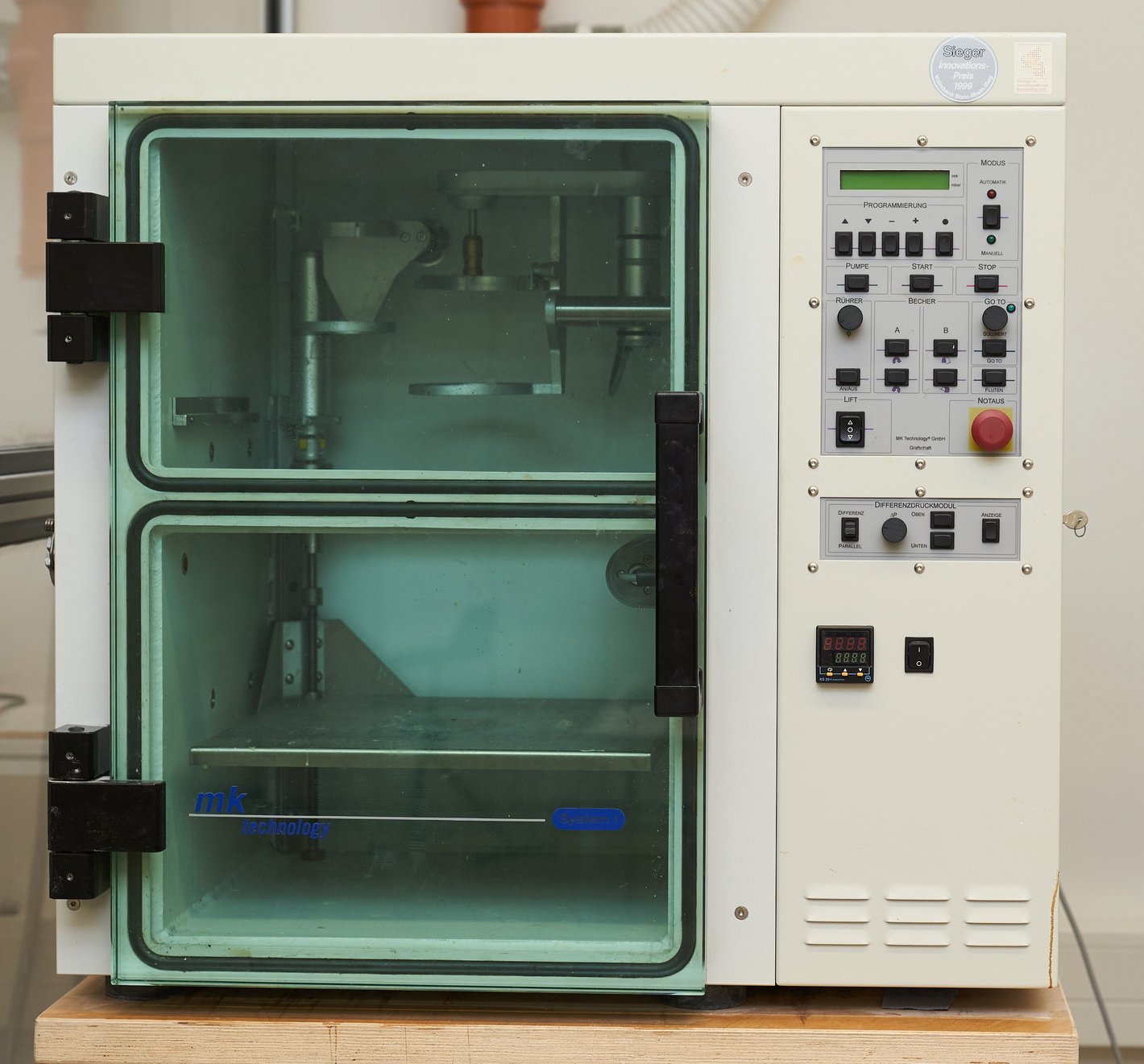
These processes are complemented by options for replicating the resulting prototypes. For example, silicone molds can be created, which in turn can be used in a vacuum casting system to produce small batches of various synthetic resins. For this purpose, the Additive Manufacturing Laboratory has a vacuum casting system from MK-Technology.
Features
The 3D CAD system is the first step in the process chain. The Additive Manufacturing Lab uses the SolidWorks system. Data preparation is performed using Materialise Magics software.
A Steinbichler TScan CS 3D scanner is available for reverse engineering, and Geomagics Design X is used to process the scan data.
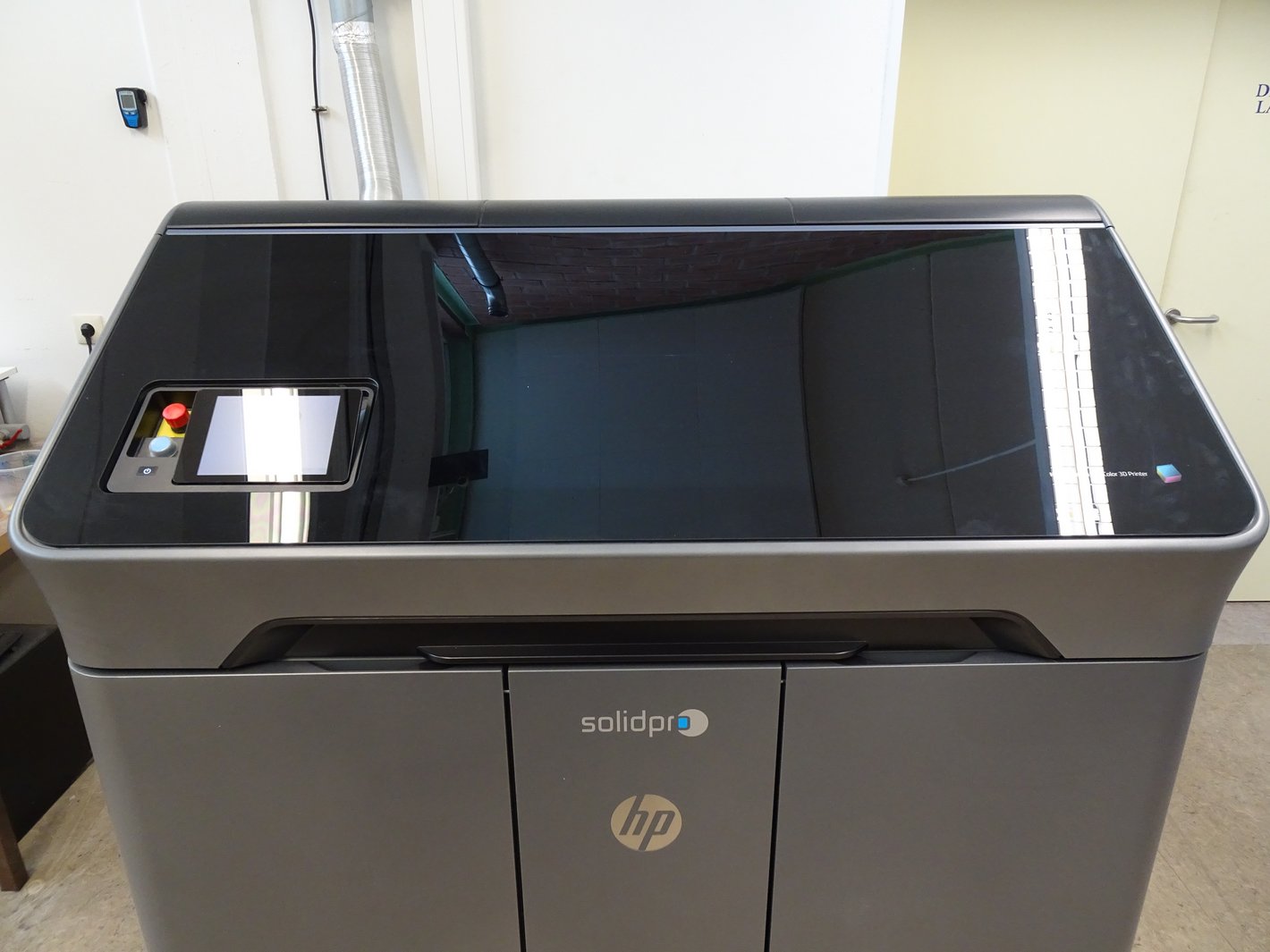
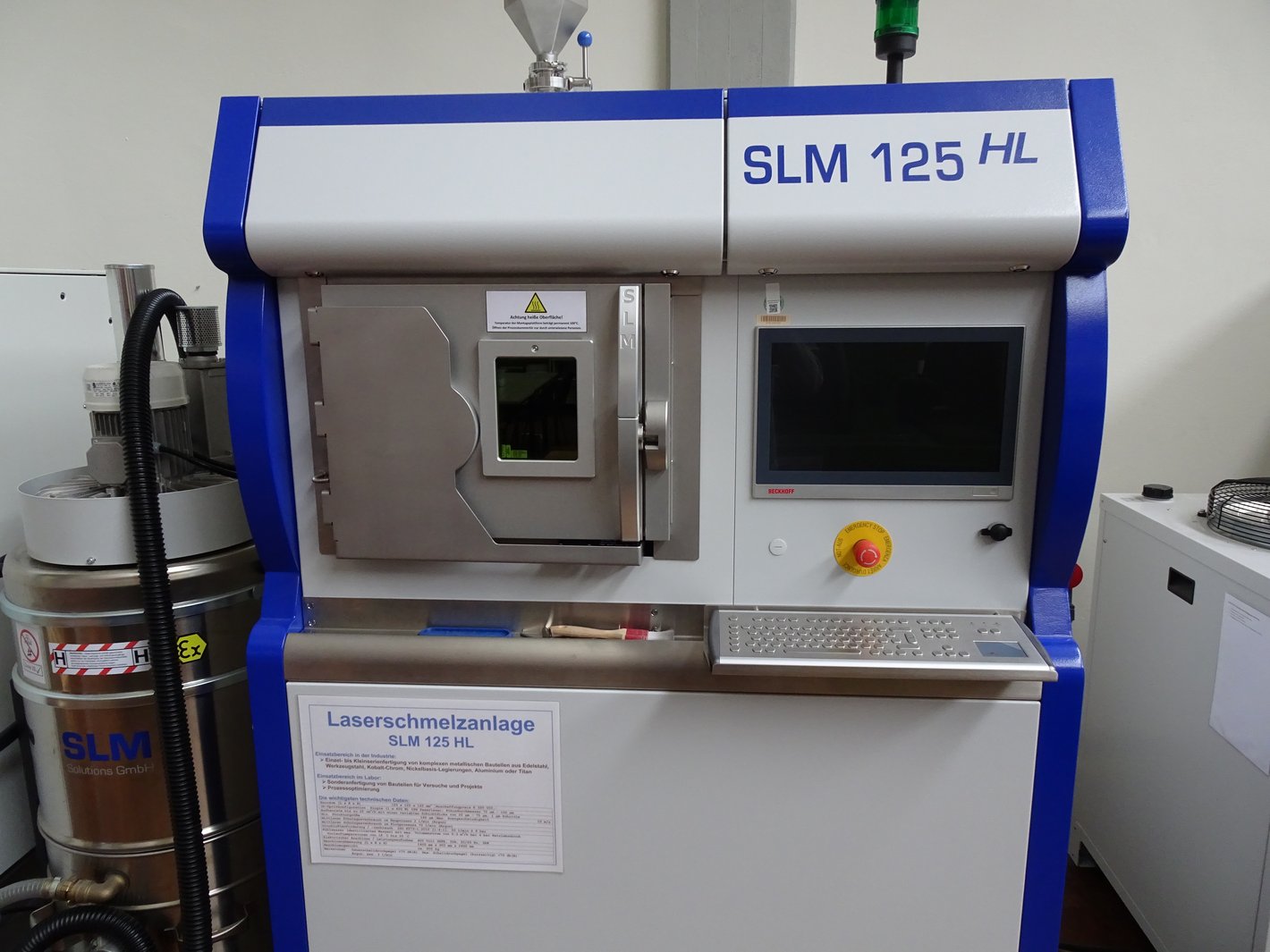
For the production of prototypes, a Formlabs Form 3 3D printer, an EOS Formiga P110 laser sintering system, an HP Jet Fusion 580 Color Multijet Fusion printer, and an SLM 125 HL metal laser melting system. The lab has been in operation for many years: it began in 1998 as what was then known as the Rapid Prototyping Lab, equipped with a LOM system from Helisys (Model 1015plus).
To produce prototypes and small batches made of plastic, the lab also has a vacuum casting system from MK-Technology, model MK System 1, equipped with a differential pressure module.
EOS Formiga P110 Technical Specifications:
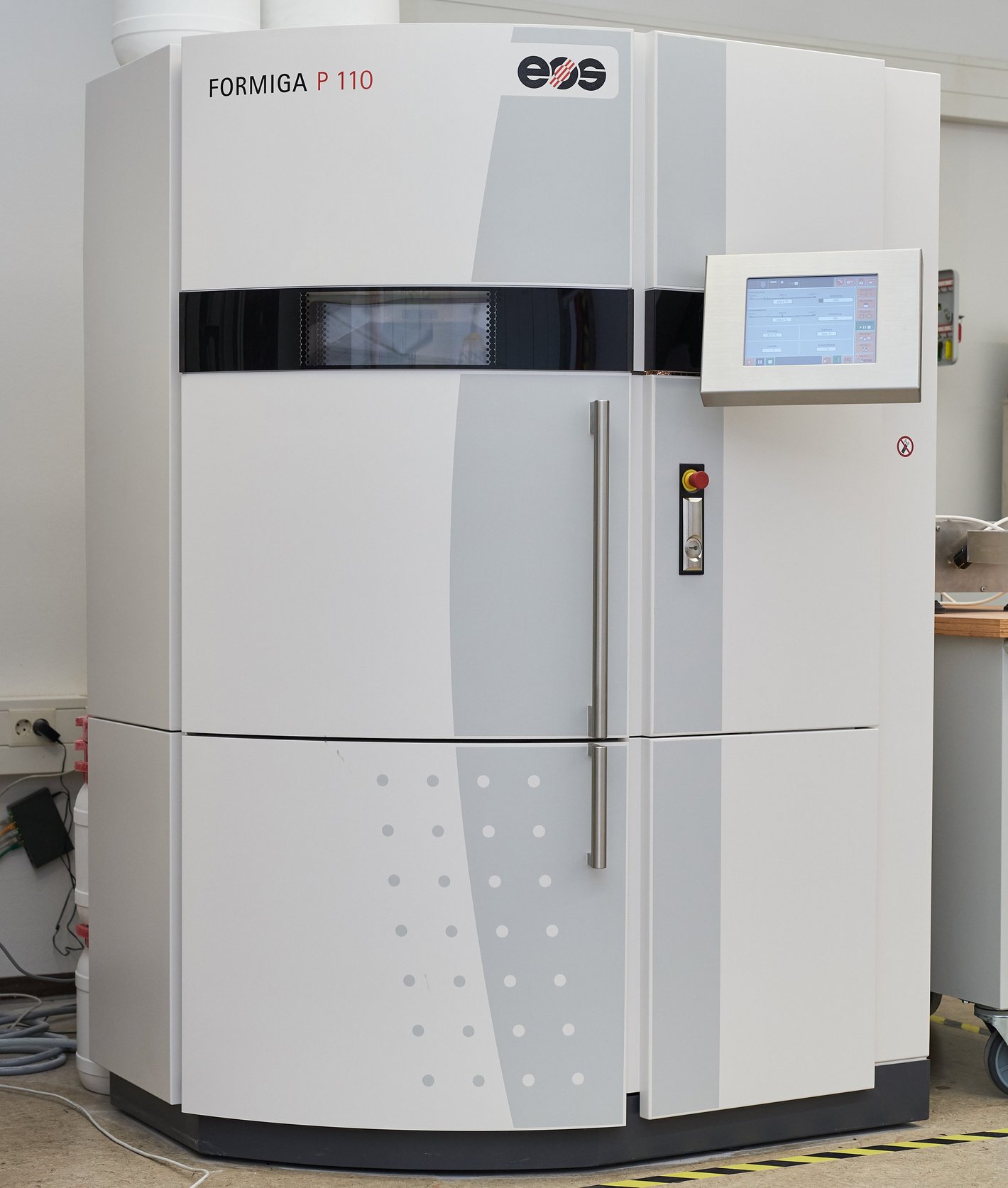
Maximum build size: 250 x 200 x 300 mm
Layer thickness: 0.1 mm
Material: Polyamide
Laser: 30 WCO₂, Theta lens
Software: EOS RP Tools and Desktop PSW
Machine dimensions: 1320 x 1067 x 2204 mm
The selective laser sintering system from EOS enables the production of polyamide parts with integrated functional elements and undercuts without the use of support structures. High mechanical strength and the quality of the final parts open up a variety of application areas for laser-sintered components.
The Additive Manufacturing Laboratory continuously carries out a wide variety of projects, both by students from our university and by Erasmus students, primarily from Spain and France.
Among other things, the laboratory is working on parameter studies, design guidelines for various processes, and alternative materials and processes.
Search